How to Turn on a Lawn Mower
Master the lawn mower starting procedure with this comprehensive guide. Learn how to turn on a lawn mower safely, including push mower ignition and riding mower start.
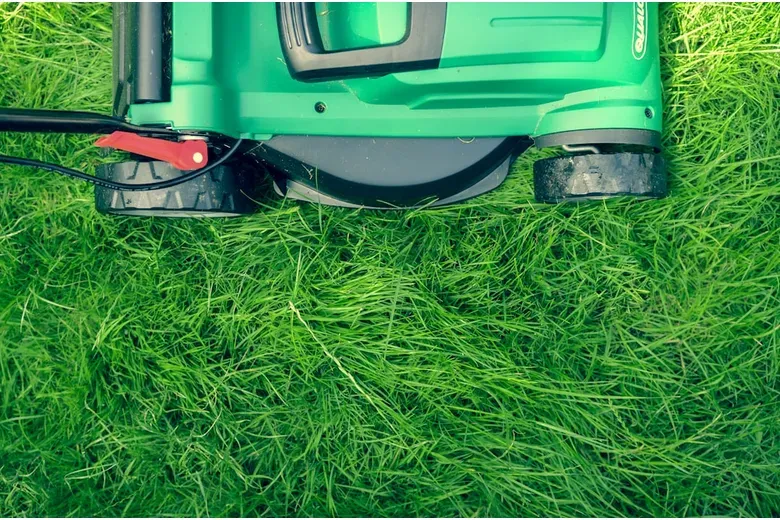
How to turn on a lawn mower is a basic skill every homeowner should master. It involves a few simple steps. Safety is the first priority. Always check the fuel and oil levels. Then follow the correct starting procedure. Whether you have a push mower or a riding mower, the process is similar. But there are some differences. This guide covers both types. You will also learn about the lawn mower choke and primer bulb. By reading this guide, you will avoid common mistakes. You will also save time and frustration. Let's get started.
Starting a lawn mower correctly ensures engine longevity. It also prevents flooding and hard starts. Many people struggle because they skip steps. But with this guide, you will become confident. You will know exactly what to do. That includes using the push mower ignition or riding mower start system. Each type has its own quirks. We will explain them in detail.
The lawn mower starting procedure can vary by model. But core steps remain the same. You need to prepare the mower. Then engage safety features. Then crank the engine. This article covers all that. It also provides troubleshooting tips. So even if your mower doesn't start, you can fix it. Let's dive into the details.
Key Takeaways
- Main Point: How to turn on a lawn mower involves checking fuel, engaging choke, and pulling the cord or turning the key.
- Actionable Advice: Always press the primer bulb three times if your mower has one. This pushes fuel into the carburetor.
- Best Practice: For a cold engine, use the choke. For a warm engine, skip the choke. This prevents flooding.
- Expert Insight: A slow pull of the starter cord often fails. Give a brisk, full pull to start the engine.
- Summary: Follow the manufacturer's steps. Safety first. With practice, you can start any lawn mower quickly.
Understanding the Lawn Mower Starting Procedure
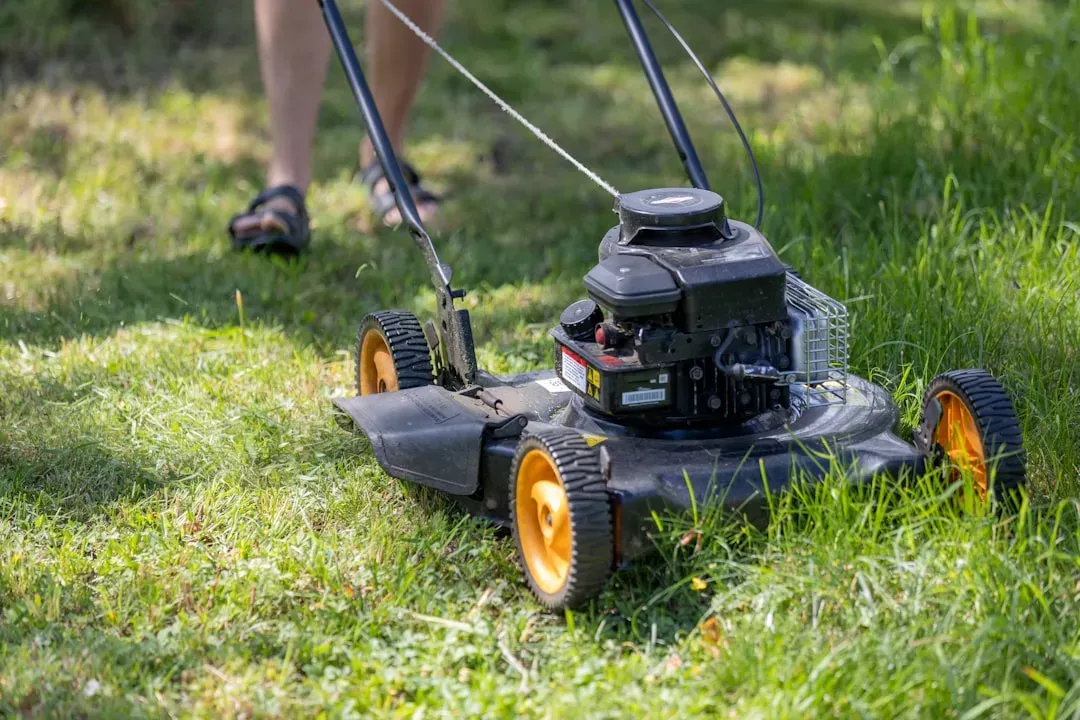
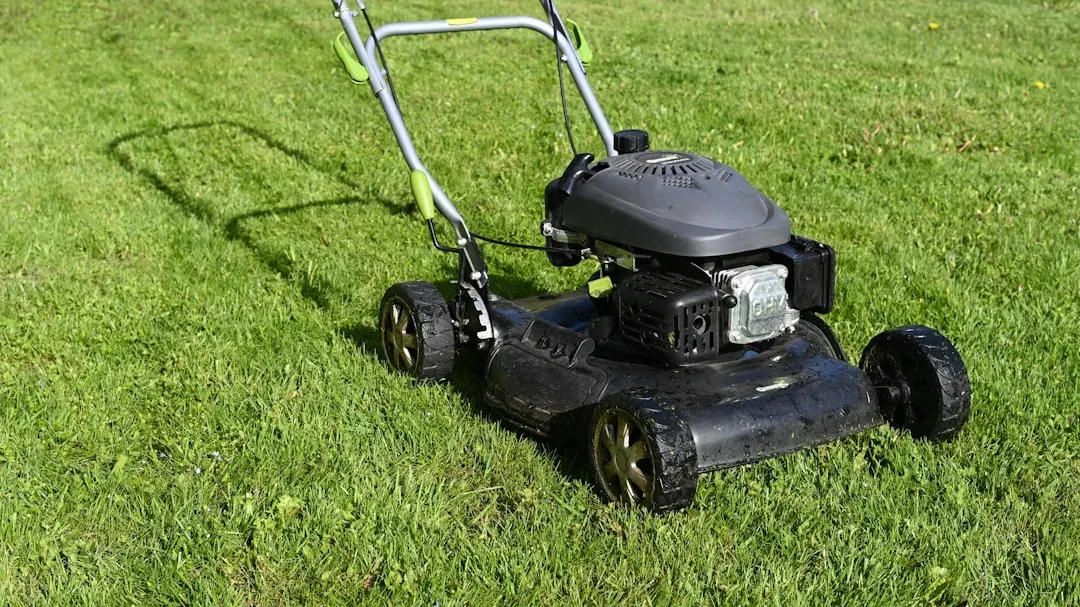
Before you start, understand the lawn mower starting procedure. It is a sequence of actions. Each action prepares the engine. The main goal is to mix fuel and air. Then ignite it. Different mowers have different systems. But most use a recoil starter or an electric starter. For a push mower ignition, you pull a cord. For a riding mower start, you turn a key or push a button. Both methods require safety checks. For instance, ensure the blade is disengaged. Also sit on the seat for riding mowers. Many models have a safety switch. If you miss this step, the engine won't crank. Always read your manual. But the principles are universal.
The lawn mower choke is crucial for cold starts. It restricts air flow. This enriches the fuel mixture. That helps the engine fire. Once it warms up, open the choke. If you forget, the engine may flood. The primer bulb also helps. It injects extra fuel. You typically press it three to five times. Not all mowers have one. Check your mower's design. For a detailed step-by-step, see our article on How Do You Start Lawn Mower. That guide goes deeper into each step.
Step-by-Step Guide to Turn on Your Lawn Mower
Now let's go through the actual steps. Follow them in order. This works for most push and riding mowers. We break it into two sections. First, we cover push mowers. Then riding mowers.
Push Mower Ignition Steps
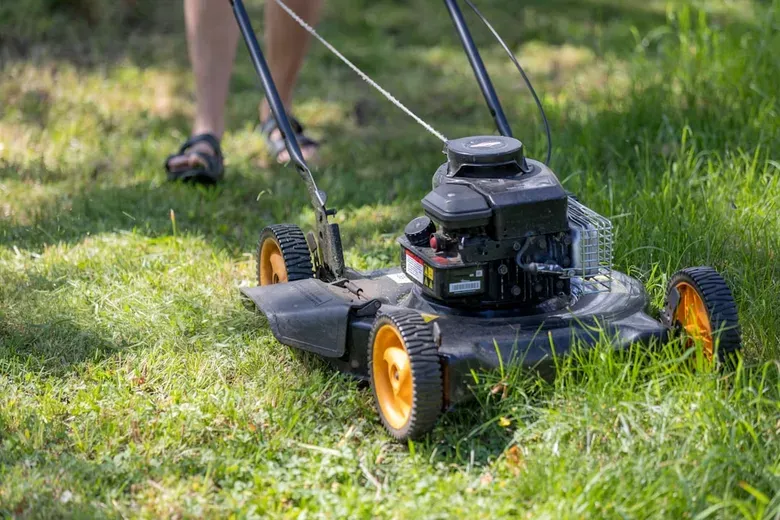
Push mowers are simple. Here is how to turn on a lawn mower of this type:
- Check fuel and oil. Make sure there is fresh gas. Also check the oil level. Low oil can prevent starting.
- Set the choke. For a cold engine, move the choke lever to the closed position. For a warm engine, leave it open.
- Press the primer bulb. If your mower has one, press it three times. This sends fuel to the carburetor.
- Engage the safety lever. Most push mowers require holding a bail handle. Squeeze it against the handlebar.
- Pull the starter cord. Give a brisk, full pull. Do not yank slowly. The engine should start. If not, repeat a few times.
If the engine does not start after several pulls, check the choke and primer. You may have flooded it. Wait a minute and try again with the choke open.
Riding Mower Start Procedure
Riding mower start is different. You must follow safety rules. Here are the steps:
- Sit on the seat. Most riding mowers have a safety switch under the seat. If no one sits, the engine won't start.
- Engage the parking brake. This prevents movement. Some models require it to start.
- Disengage the blades. Make sure the blade engagement lever is off. The mower won't start with blades engaged.
- Set the choke. Use the choke control for a cold start. Move it to the closed position.
- Turn the key or push the start button. For key start, turn to the start position. Hold until the engine fires. Then release to the run position. For button start, press and hold briefly.
Once the engine runs, slowly open the choke. Let the engine warm up for a minute. Then engage the blades and mow. Remember, always disengage blades before stopping.
💡 Pro Tip
Always check the oil and fuel levels before starting. A mower with low oil may not start and can be damaged. Also, if the mower has been sitting for weeks, prime the bulb more times (4-5) to refill the carburetor.
Common Problems and Troubleshooting
Even with the correct steps, sometimes a mower won't start. Let's solve frequent issues. This is part of the lawn mower starting procedure troubleshooting. Common problems include stale fuel, fouled spark plug, and clogged air filter.
Engine Cranks but Does Not Start
If the engine turns over but doesn't fire, check the fuel. Stale gas can cause this. Also check the spark plug. Remove it and see if it is wet. If wet, the engine is flooded. Wait 15 minutes and try again with choke open. If dry, there may be no fuel. Check the fuel line and carburetor.
Engine Does Not Crank
If nothing happens when you try to start, check safety switches. For push mowers, ensure the bail handle is squeezed. For riding mowers, sit on the seat and engage the brake. Also check the battery on electric start models. A dead battery needs charging. Pull the cord slowly to feel compression. If there is no resistance, the engine may have internal problems. Consult a professional.
Using the Primer Bulb and Choke Correctly
Misuse of the primer bulb and lawn mower choke is common. Too many primer pumps flood the engine. Too few and it won't start. The rule: for cold engines, prime 3 times; for hot engines, skip priming. Choke: close for cold, open for warm. If you flood the engine, open the choke fully and pull the cord several times with the throttle wide open (if adjustable). This clears excess fuel.
⚠️ Important Note
Never start a lawn mower indoors or in a garage with the door closed. Carbon monoxide is deadly. Always start outside in a well-ventilated area. Also, never bypass safety switches on riding mowers.
Lawn Mower Maintenance Tips for Reliable Starting
Preventive maintenance makes starting easier. A well-maintained mower starts on the first pull. Focus on these areas:
- Fuel system: Use fresh fuel. Add stabilizer if storing. Drain old gas at season's end.
- Air filter: Clean or replace it yearly. A clogged filter restricts air flow and causes hard starts.
- Spark plug: Replace annually. A worn plug misfires.
- Oil: Change oil as per manual. Low or dirty oil affects engine performance. Regular oil changes are crucial; learn How to Change Oil in Lawn Mower for step-by-step instructions.
- Blade and deck: Keep the blade sharp and deck clean. A clean mower runs better.
Following these tips ensures your lawn mower starting procedure goes smoothly. You will spend less time troubleshooting and more time mowing.
Safety Precautions When Starting a Lawn Mower
Safety is paramount. Every time you start, follow these rules:
- Clear the area. Remove stones, sticks, and debris. They can become projectiles.
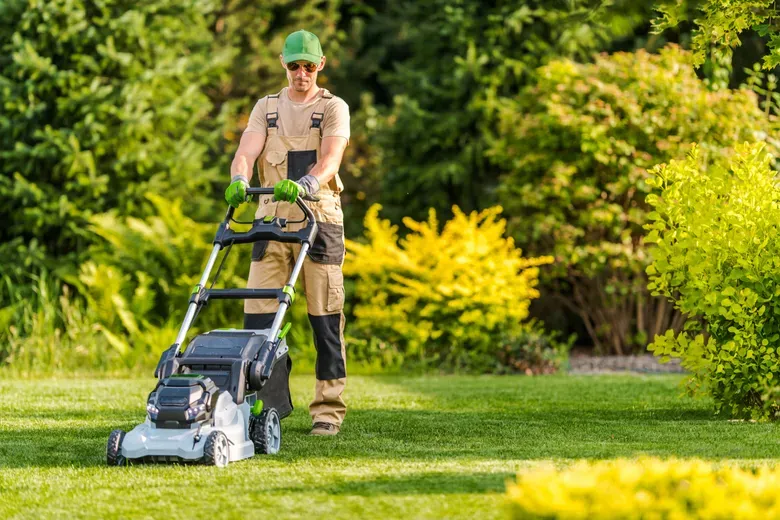
- Wear proper gear. Use sturdy shoes, long pants, and eye protection. Avoid loose clothing.
- Never start indoors. Engine exhaust contains carbon monoxide. Always start outside.
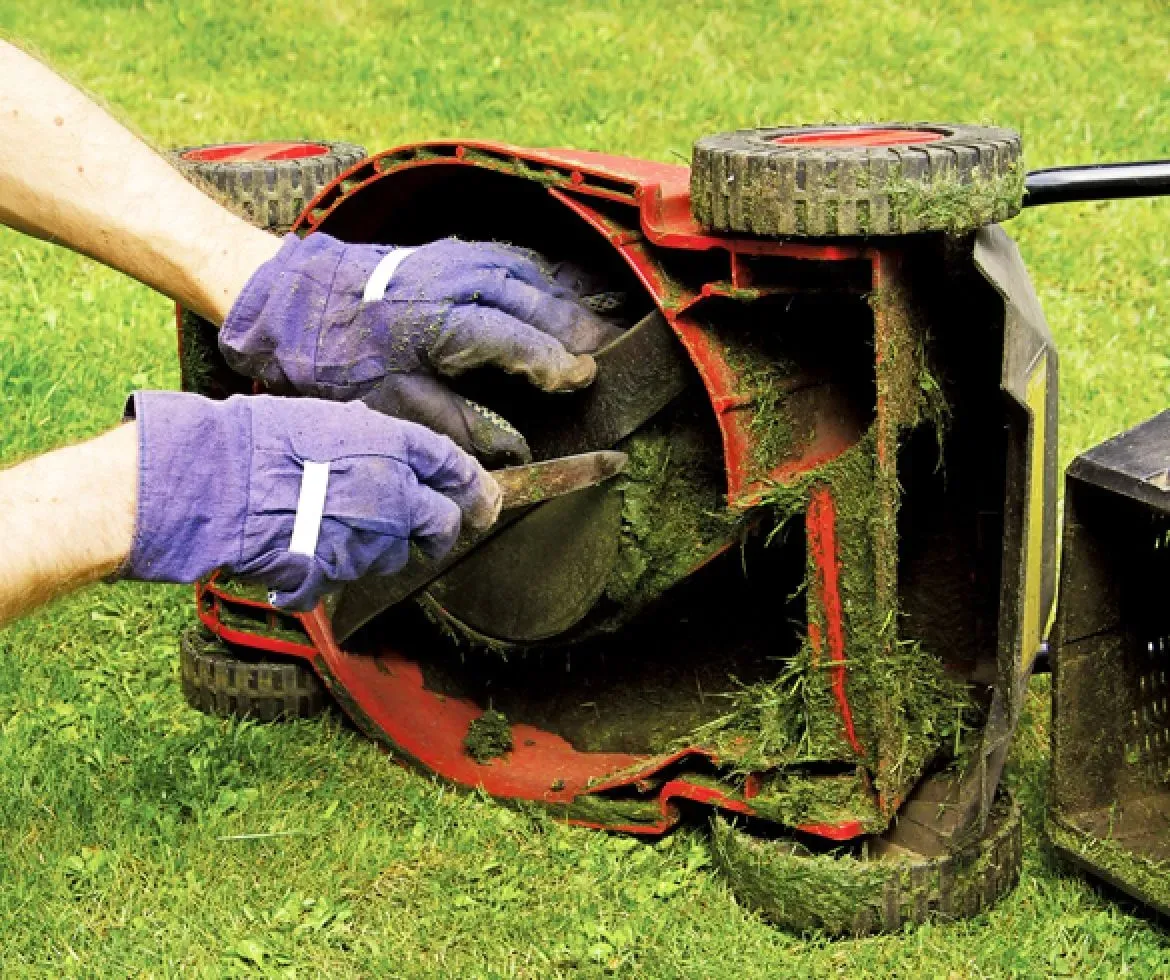
- Keep hands and feet clear. Do not put hands near the blade housing or under the deck when starting.
- Disengage blades before starting. For riding mowers, ensure the blade clutch is off.
- Do not bypass safety switches. They are there to protect you. Disabling them can cause injury.
By following these precautions, you reduce risk. Remember, how to turn on a lawn mower safely is just as important as the mechanics.
Frequently Asked Questions
Do I need to press the primer bulb every time?
For a cold engine, yes. For a warm engine, no. If the engine is already hot, pressing the primer can flood it. Always check the engine temperature.
Why does my lawn mower start then die immediately?
This usually indicates a fuel or choke issue. The choke may be closed when it should be open. Or the carburetor needs cleaning. Also check the fuel cap vent; a clogged vent creates vacuum.
Can I start a riding mower without sitting on the seat?
No. Most riding mowers have a safety switch under the seat. If you do not sit, the engine will not crank. Some models allow starting if the parking brake is engaged, but you still need to be seated.
How many times should I pull the cord if it doesn't start?
Try up to five times. If the engine does not start, stop and troubleshoot. Repeated pulling can flood the engine or wear out the starter. Check the choke, primer, and spark plug.
Conclusion
Learning how to turn on a lawn mower is easy with the right steps. Always start by checking safety and fuel. Then follow the specific procedure for your mower type. Use the lawn mower choke and primer bulb correctly. This prevents flooding and ensures a quick start.
Keep your mower well-maintained. That reduces starting problems. And always prioritize safety. Now you can confidently start your mower every time. Enjoy a well-groomed lawn without hassle.
For more detailed guides, check our other articles on lawn mower maintenance and repair.