How to Cut Grass Without Damaging Your Lawn
Learn how to cut grass without damage by mastering mowing height, sharp mower blades, and grass clipping management. Practical lawn care tips for a lush yard.
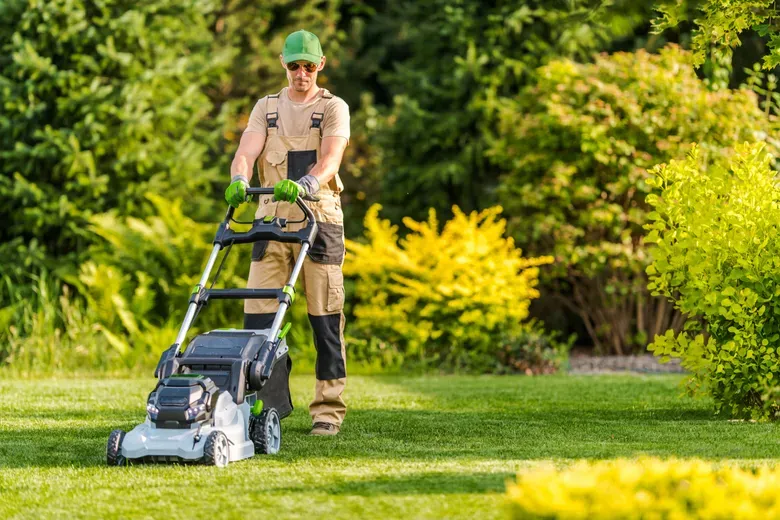
Grass cutting is easy, but doing it right protects your lawn. A clean cut helps grass grow thick and strong. You avoid brown patches and disease when you follow simple rules. This guide teaches safe mowing height and sharp mower blades use. You will learn lawn care tips for every season. Good grass clipping management keeps your yard healthy. Follow these steps and your lawn will stay lush and green.
Many people rush the job and damage the soil and roots. Cutting too short stresses the plant and invites weeds. Uneven passes create ruts and tear fragile blades. A steady routine prevents these problems before they start. This article explains each step in clear, simple language. You will understand why small choices make a big difference. Use these ideas every time you push the mower.
Basic Rules For Healthy Grass
Set The Right Mowing Height
Always match the mowing height to your grass type. Taller grass shades soil and holds moisture. Short grass dries fast and weakens roots. Most lawns do best between two and three inches. Never remove more than one third of the blade in a single pass. This rule keeps the plant strong and green. Adjust the deck high during heat and drought.
Cool season grasses prefer slightly taller settings. Warm season types can be trimmed lower but still need leaf area. Cutting too low stresses the crown and invites disease. A consistent height creates a dense carpet that crowds out weeds. Check the deck level before each session for an even cut.
- Measure the grass after cutting to confirm your setting.
- Mark the deck position with paint or tape for quick changes.
- Raise the height during summer heat waves and dry spells.
- Lower gradually in spring when growth is fastest.
Use Sharp Mower Blades Always
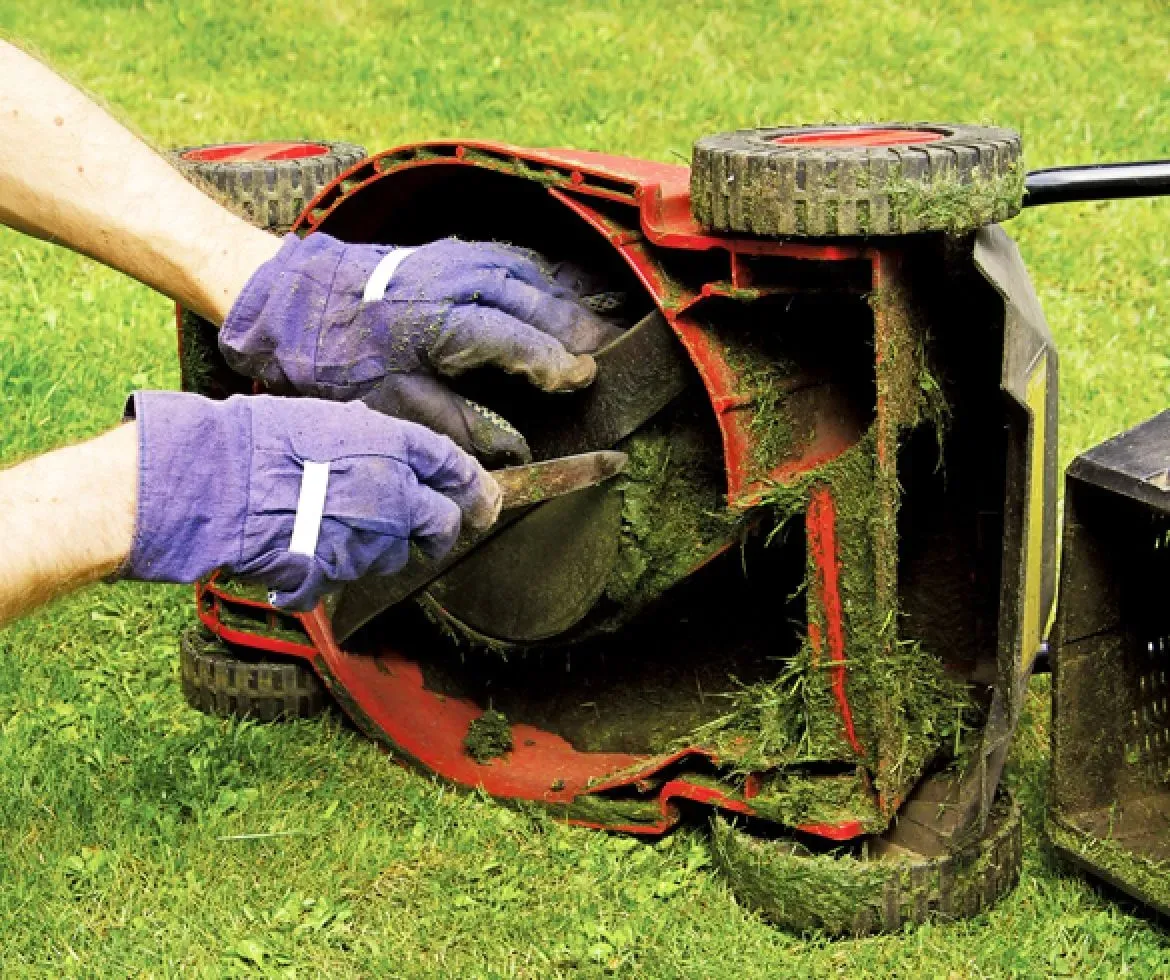
Sharp mower blades give a clean slice instead of a rough tear. Dull blades crush stems and leave brown frayed edges. Torn tissue dries out and invites fungal infection. Change or sharpen blades at least once per season. More frequent sharpening is needed in rocky soil or tall grass.
A sharp blade cuts evenly and reduces engine strain. This helps your machine last longer and use less fuel. Clean under the deck after each use to prevent grass buildup. Check for nicks and bends before you install the blade. Balanced blades prevent vibration that damages the spindle.
- Sharpen or replace blades at the start of each season.
- Inspect for damage before every major mowing session.
- Balance the blade on a shaft or use a proper tool.
- Clean clippings from the underside of the deck regularly.
Advanced Lawn Care Tips
Perfect Grass Clipping Management
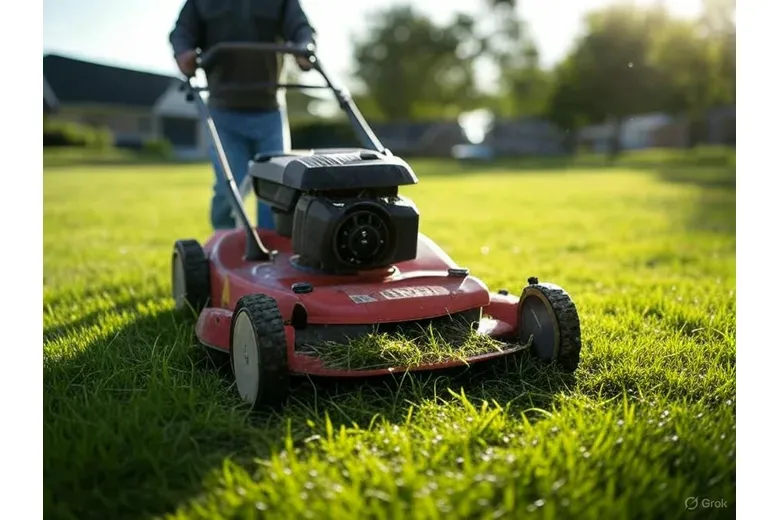
Grass clipping management is simple when you know the rules. Leaving clippings on the lawn feeds the soil with nitrogen. This natural recycling reduces fertilizer needs and waste. The pieces must be short and dry to fall between stems. Long wet clippings clump, smother grass, and cause disease.
Mulching mowers chop clippings finely for faster breakdown. Side discharge is fine in tall dry grass but can leave strips. Bagging is best when grass is diseased or full of weed seeds. Vary your pattern each time so ruts do not form in soft soil. Alternate directions to encourage upright growth and reduce soil compaction.
💡 Pro Tip
Mow when grass is dry, vary patterns, and never remove more than one third of the blade per session.
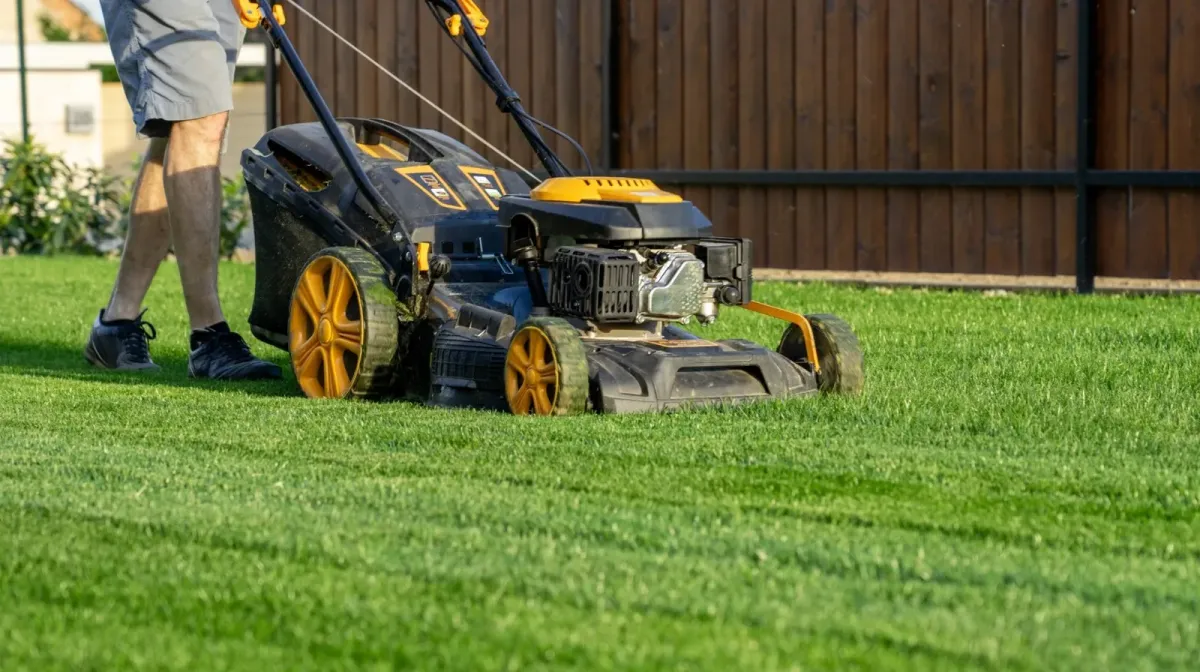
Image source: Outdoorguide
Preparing And Maintaining Your Equipment
Check Mower Settings Before Cutting
Walk around your machine before you start and look for problems. Ensure tires are firm and wheels turn freely. Inspect belts for cracks and check fluid levels. A loose wheel or low oil can ruin a perfect cut and waste time. Clean grass from the discharge area to maintain good airflow.
Level the deck on uneven ground to protect the blades. Use a block under low wheels if necessary. Mark your preferred heights with bright paint for quick changes. Store fuel in approved containers away from heat. Start the engine in open air to avoid fume buildup.
- Inspect belts, cables, and wheels for wear or damage.
- Sharpen or replace blades to maintain cutting quality.
- Level the deck and adjust height based on grass type.
- Clean under the deck to prevent disease and clogging.
Plan Your Mowing Pattern
A smart pattern reduces soil compaction and ruts. Straight lines look neat but can compact edges over time. Crisscrossing each week distributes weight more evenly. Always mow when grass is dry for cleaner cuts and less slipping. Never cut wet grass after rain or heavy dew.
Start along the longest straight edge and work across the yard. Turn off the blades before hitting driveways or sidewalks. Leave space around trees and flower beds for a neat edge. Vary the route so tracks do not form in soft spots. This simple habit keeps your lawn strong and attractive.
⚠️ Important Note
Never cut wet grass or when the deck is low; this causes compaction, scalping, and disease.
Daily, Weekly, And Seasonal Lawn Care Habits
Build A Simple Weekly Lawn Care Routine
Small weekly actions prevent big problems later in the season. A short routine keeps grass vigorous and resilient. Spend a few minutes after each mowing session to check results. Adjust your habits based on weather, growth rate, and foot traffic. Consistency is more important than perfect technique.
Inspect for pests, disease, and dry patches during every walk. Remove debris like sticks and toys before you mow. Water deeply and infrequently to encourage deep roots. Fertilize based on soil test results and grass type. Record dates and settings to refine your approach each year.
Stick to a schedule that matches your climate and workload. Early morning or late afternoon reduces stress on grass and equipment. Keep paths clear and store fuel safely for long term reliability. A calm, organized approach makes lawn care feel easy and rewarding.
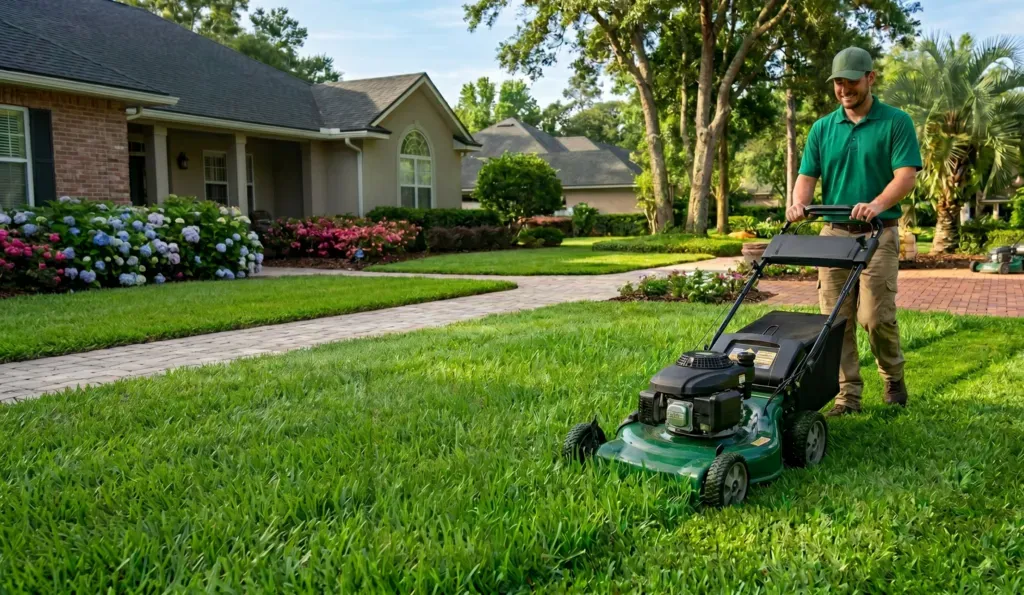
Image source: Turfdoctorjax
Seasonal Transitions And Recovery
Each season brings new challenges that affect how you cut and care for grass. Spring growth requires frequent mowing and careful height management. Summer heat calls for higher settings and less aggressive schedules. Fall is the time for recovery, aeration, and final feeding before winter.
Winter protection matters in cold regions with heavy snow or freeze cycles. Reduce traffic on dormant grass and clear ice safely without damaging crowns. Plan renovations in early spring when soil warms and seeds germinate quickly. Observe how your lawn responds and adjust techniques year by year.
- Raise cutting height in hot weather to protect soil moisture.
- Sharpen blades at the start of every active season.
- Alternate mowing patterns to prevent soil compaction.
- Leave clippings when they are short and the lawn is dry.
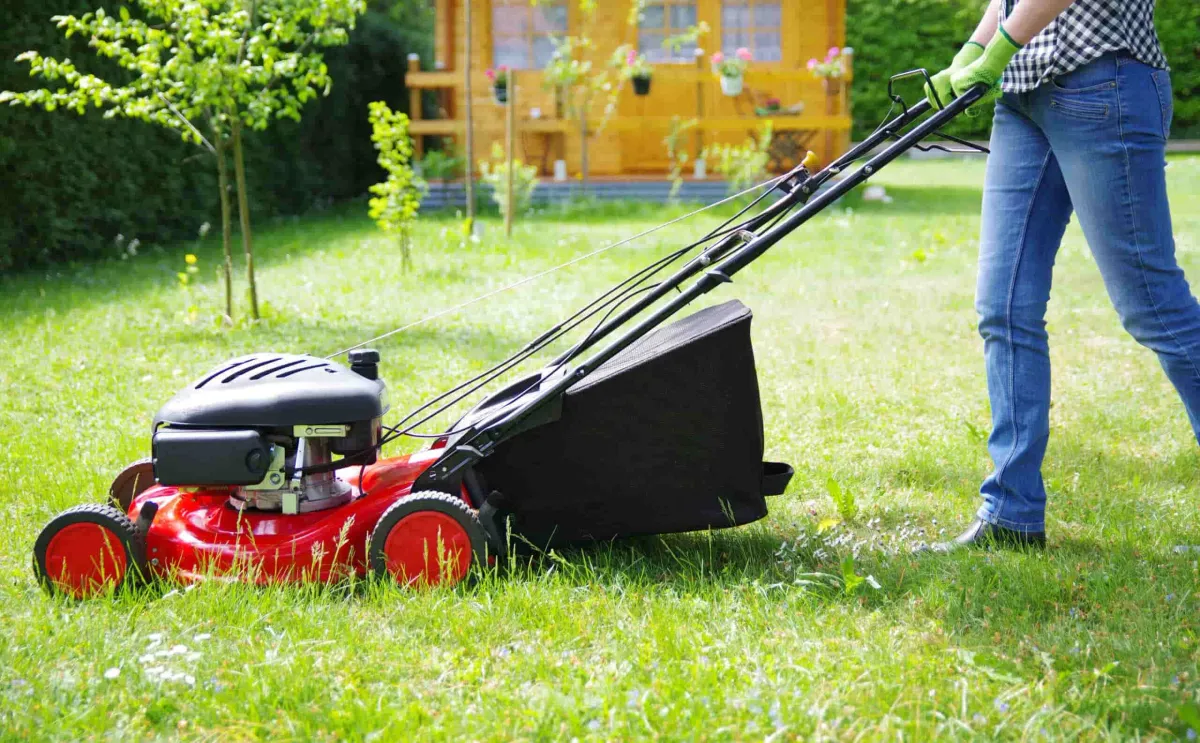
Image source: Thearchitecturedesigns
Troubleshooting Common Problems
Fix Uneven Cuts And Ruts
Uneven patches often come from dull blades or low tire pressure. Check each wheel and adjust height if the ground slopes. Fill low spots with quality soil and compact gently. Reseed thin areas after conditions improve and moisture is adequate.
Ruts form when equipment repeatedly crosses soft ground. Rotate mowing directions and avoid wet conditions. Use planks or temporary paths if you must cross sensitive areas. Overseed and topdress small worn zones to restore density. Address problems early before they become severe.
Prevent Scalping And Bare Spots
Scalping happens when the deck is too low or the ground is uneven. Raise the height and slow your pace to avoid scalping. Fill bare areas with matching grass seed and keep them moist until established. Use a ruler or gauge block to confirm safe cutting levels across the yard.
Sharp blades and steady movements reduce shock and tearing. Never push the machine sideways to trim edges; use a string trimmer instead. Keep grass at a healthy length so new shoots can quickly cover open soil. Regular monitoring helps you catch issues before they spread.
Frequently Asked Questions
How often should I mow to avoid damaging the lawn?
Mow frequently enough that you never remove more than one third of the blade. In peak growth you may need to cut once or twice per week. During slow seasons every ten to fourteen days is often enough. Adjust based on weather, fertility, and how quickly your grass grows.
Is it better to bag clippings or leave them on the lawn?
Leaving short, dry clippings is usually best because they return nutrients to the soil. Bagging is helpful when grass is diseased, full of weeds, or excessively tall. Use mulch plug kits or side discharge for lighter recycling when conditions allow. Proper clipping management reduces fertilizer needs and waste.
What should I do if I accidentally scalp my lawn?
First, raise the cutting height immediately and stop aggressive trimming. Water deeply and evenly to encourage recovery without runoff. Apply a thin layer of compost or quality soil to bare spots if needed. Reseed small areas and protect the zone from heavy traffic until new growth fills in.
Can mowing patterns affect soil compaction over time?
Yes, repeating the same lines can compress soil and create ruts. Vary your route and alternate directions each time you mow. Use designated paths for heavy equipment and avoid wet conditions. These habits reduce compaction and help roots grow deeper and stronger.
Conclusion
Cutting grass the right way protects every part of your lawn. The right mowing height, sharp mower blades, and calm routine prevent stress and disease. Simple habits in grass clipping management feed the soil and reduce waste. Follow these ideas and your yard will stay lush and easy to maintain.
Use this information as a foundation and adjust based on your climate and grass type. Observe how your lawn responds and refine your approach each season. With steady care and attention, you can enjoy a healthy, green yard with minimal stress and effort.