How Do I Start a Lawn Mower
How do I start a lawn mower? This is a common question for new homeowners and gardening enthusiasts. Starting a lawn mower might seem tricky, but it is simple o
How do I start a lawn mower? This is a common question for new homeowners and gardening enthusiasts. Starting a lawn mower might seem tricky, but it is simple once you know the steps. In this guide, we will walk you through the entire process. You will learn the lawn mower starting procedure from start to finish. We cover everything from fuel checks to safety precautions.
Before you begin, always check the owner's manual. Different mowers have slight variations. However, most gas mowers follow a similar routine. You need to ensure the mower is on a flat surface. Also, clear any debris from the area. This prevents accidents and ensures a smooth start.
First, inspect the fuel tank. Make sure it has fresh gasoline. Old fuel can cause starting problems. Also, check the oil level. Low oil can damage the engine. If your mower has a primer bulb, press it a few times. This pumps fuel into the carburetor. Then, set the choke to the correct position. These steps are part of the choke and primer bulb technique.
Key Takeaways
- Main Point: Starting a lawn mower requires proper preparation and technique. Follow the steps in order.
- Actionable Advice: Always use fresh fuel and check oil before starting. This prevents engine issues.
- Best Practice: Use the choke for cold starts. Release it once the engine warms up.
- Expert Insight: The pull cord technique is easier if you pull slowly until you feel resistance, then give a firm, fast pull.
- Summary: With practice, starting your mower becomes quick and effortless. Follow our guide every time.
Understanding the Lawn Mower Starting Procedure
Every mower has a specific starting sequence. The lawn mower starting procedure generally involves priming, choking, and pulling the cord. Knowing this process reduces frustration. Let us break it down step by step.
Step 1: Prepare the Mower
Place the mower on a flat, dry surface. Ensure the blade disengagement lever is off. Check that the spark plug wire is connected. If the engine is cold, set the choke to the "on" or "close" position. For warm starts, you may not need the choke.
Step 2: Prime the Engine
Locate the primer bulb. Press it three to five times. You should see fuel move inside the bulb. This step is crucial for the choke and primer bulb system. Do not over-prime, as it can flood the engine.
Step 3: Use the Pull Cord Technique
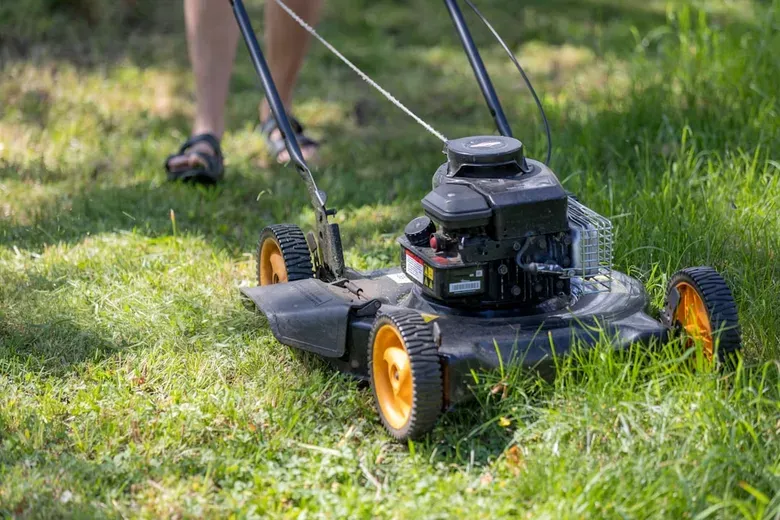
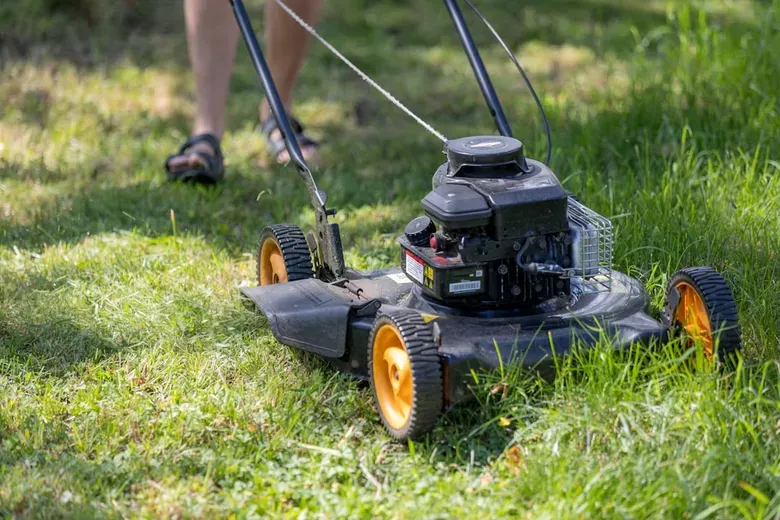
Stand behind the mower. Hold the handle with one hand. With the other hand, grasp the pull cord handle. Pull slowly until you feel resistance. Then give a sharp, steady pull. The engine should start. If not, repeat a few times.
If the engine does not start after several pulls, check the fuel and spark. You may need to troubleshoot. For more details, see our guide on how to start a lawn mower.
Mastering the Pull Cord Technique
The pull cord technique is the most common way to start a lawn mower. It requires some practice. Here are tips to make it easier.
Proper Grip and Stance
Stand with your feet shoulder-width apart. Hold the mower handle with your non-dominant hand. This stabilizes the mower. With your dominant hand, grip the pull cord handle firmly. Do not let the cord snap back. Guide it slowly back into place.
Smooth Pulling Motion
Pull the cord in a smooth, controlled motion. Jerking can cause injury or damage. Pull straight up or at a slight angle. The key is to maintain tension. If you pull too fast, the cord may break.
Common Mistakes
- Pulling too hard: This can strain the starter mechanism.
- Not pulling all the way: You need a full pull to engage the engine.
- Releasing the cord abruptly: Let it rewind gently.
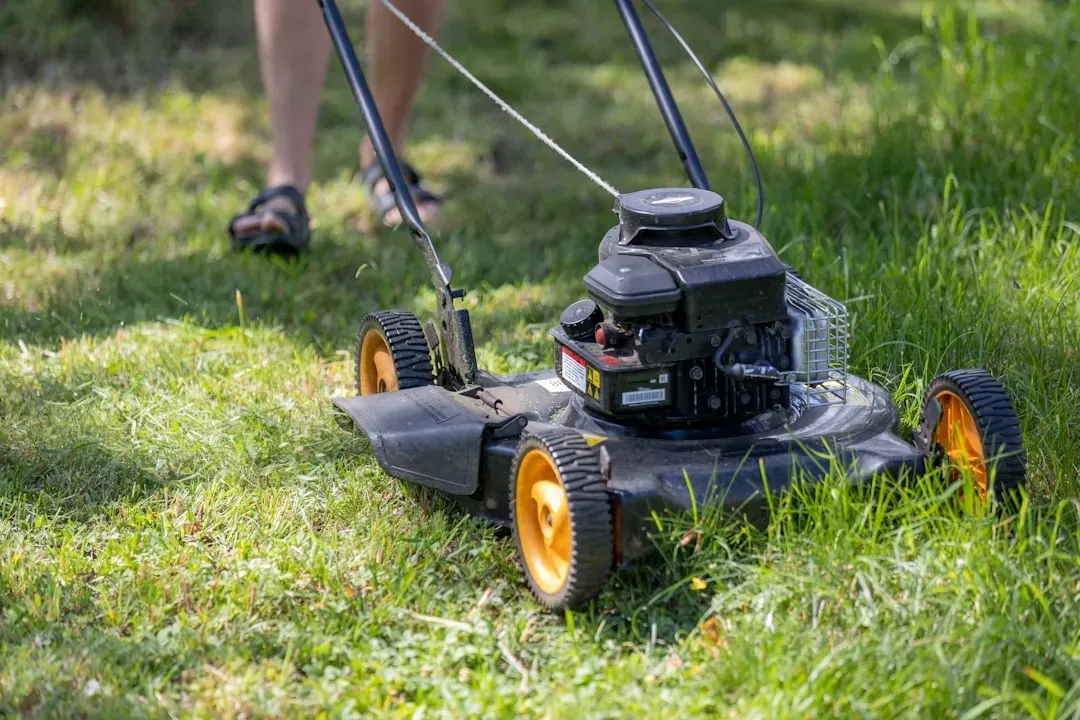
💡 Pro Tip
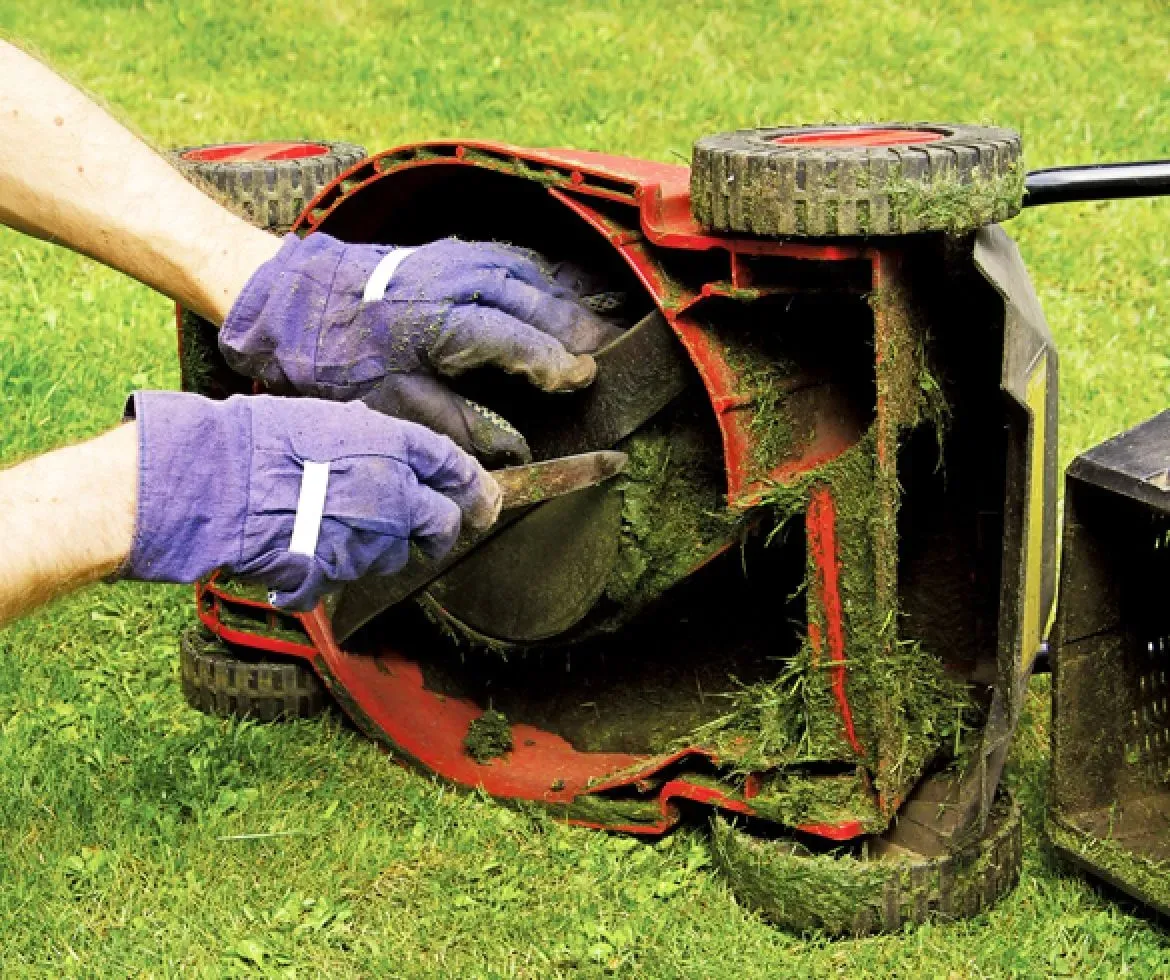
Apply a light coat of anti-seize lubricant or silicone spray to the blade bolt threads before reinstalling. This prevents future rust and makes next season's blade removal much easier.
Using the Choke and Primer Bulb Correctly
Understanding the choke and primer bulb is vital for cold starts. The choke restricts air flow to enrich the fuel mixture. The primer bulb manually injects fuel into the carburetor.
When to Use Choke
Use the choke when the engine is cold. After starting, gradually open the choke as the engine warms. Leaving it on too long can cause flooding.
Primer Bulb Pressure
Press the primer bulb a few times. You should see fuel move. Do not press more than 5 times. Over-priming leads to a flooded engine. If that happens, wait a few minutes before trying again.
Flooded Engine Fix
If the engine smells of gasoline, it may be flooded. Turn the choke off. Pull the cord several times with the throttle open. This clears excess fuel. Refer to our gas mower troubleshooting tips for more help.
⚠️ Important Note
Never attempt to loosen or tighten a mower blade without blocking the blade first using a wooden block. Improvised holding methods can slip and cause severe hand injuries.
Lawn Mower Maintenance Tips for Easy Starting
Regular lawn mower maintenance tips ensure your mower starts reliably. A well-maintained engine is easier to start. Here are key maintenance practices.
Change Oil Regularly
Old oil makes starting harder. Change oil after every 50 hours of use. Use the recommended viscosity.
Replace Spark Plug
A worn spark plug causes misfires. Replace it annually. Check the gap before installing.
Clean the Air Filter
A dirty air filter restricts airflow. Clean or replace it each season. This improves the lawn mower starting procedure.
Use Fresh Fuel
Gasoline degrades over time. Use fuel stabilizer if storing. Empty the tank before winter storage.
- Check blades: Sharp blades cut efficiently and reduce strain.
- Inspect cables: Ensure throttle and choke cables move freely.
- Lubricate moving parts: Apply oil to pivot points.
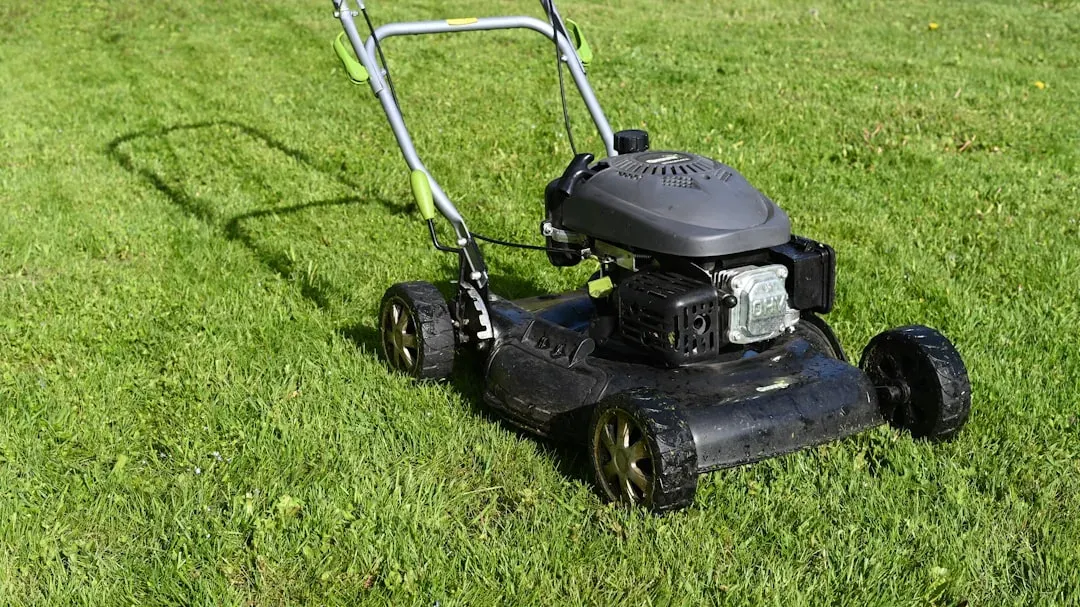
Gas Mower Troubleshooting When Your Mower Won't Start
Even with proper technique, your mower may not start. This section covers common issues and solutions. Use gas mower troubleshooting to diagnose problems.
No Spark
Check the spark plug wire. If it is loose, push it in. Remove the spark plug and test for spark. If no spark, replace the plug or ignition coil.
No Fuel
Ensure the fuel tank has fresh gasoline. Check the fuel line for clogs. Also, inspect the carburetor. Dirt can block fuel flow. Clean the carburetor if needed.
Old Gas
Gas older than 30 days loses volatility. Drain old fuel and replace with fresh. Add fuel stabilizer to prevent future issues.
Compression Problems
Low compression indicates internal wear. This requires professional repair. A compression test can confirm.
For more detailed troubleshooting, read our post on how do you start lawn mower.
Frequently Asked Questions
Why does my lawn mower start then die?
This often indicates a dirty carburetor or air filter. Clean the carburetor and replace the air filter. Also, check the fuel quality.
How many times should I prime a lawn mower?
Usually 3 to 5 times. Check your manual. Over-priming floods the engine.