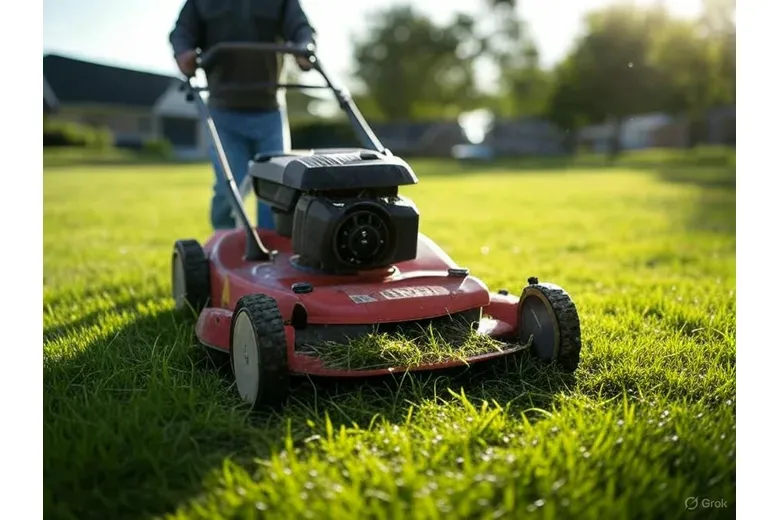
How to Drain Oil from Lawn Mower
Learn how to drain oil from lawn mower step by step. This guide covers tools, methods, and disposal tips for a successful oil change.
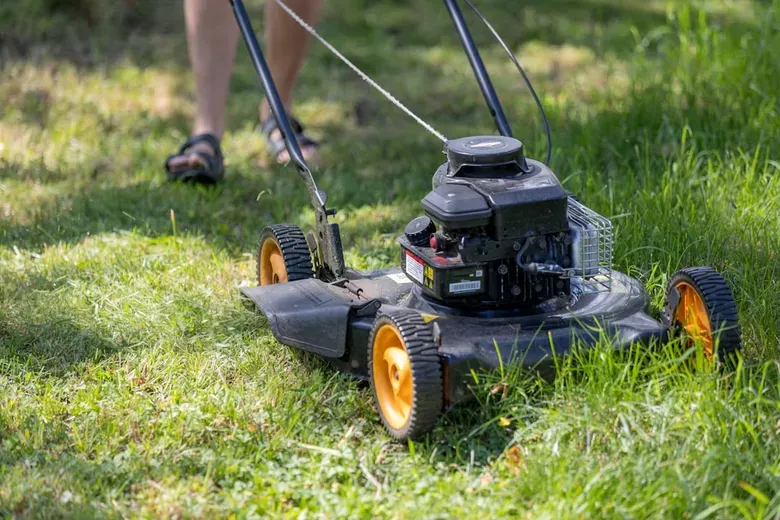
How to drain oil from lawn mower is a key skill for every owner. Doing this keeps your engine running smooth and extends its life. Most people ignore this task, but it is simple. You need just a few tools and a bit of care. Regular lawn mower oil changes prevent dirt buildup and overheating. In this guide, you will learn the exact steps to change oil in lawn mower safely. We cover tools, steps, and disposal tips. Follow along to keep your mower in top shape.
Draining oil is the first step in any lawn mower oil change. It removes old, dirty oil that harms the engine. Fresh oil protects parts and reduces friction. Doing this every season or after 50 hours of use is best. You will need a drain pan, wrench, and new oil. The process works for push mowers, riders, and zero-turns. Always check your owner manual first.
Some mowers have a lawn mower oil drain plug at the bottom. Others require tilting or using a siphon. No matter the type, the goal is the same: remove old oil completely. This guide covers both methods. You will also learn lawn mower oil disposal rules. Never pour oil down drains or into trash. Proper mower oil drain techniques protect the environment.
Key Takeaways
- Main Point: Draining oil regularly prevents engine wear and keeps your mower running reliably.
- Actionable Advice: Always run the engine for a few minutes to warm the oil before draining – it flows faster.
- Best Choice/Practice: Use the oil drain plug method when possible because it removes more old oil than tilting.
- Expert Insight: Check the oil color and smell – if it smells burnt or looks black, change it immediately.
- Summary: Follow the step-by-step guide: gather tools, warm engine, drain oil, replace filter (if needed), refill, and dispose properly.
Why You Need to Drain Lawn Mower Oil
Oil lubricates moving parts inside the engine. Over time, it breaks down and collects debris. Dirty oil reduces performance and can cause overheating. Regular lawn mower oil changes are vital for longevity. Most manufacturers recommend changing oil every 50 hours of use or once a year. If your mower works hard or in dusty conditions, change it more often.
Neglecting how to drain oil from lawn mower leads to sludge buildup. Sludge blocks oil passages and starves parts. This can seize the engine. A new engine costs hundreds of dollars. So spending 20 minutes on oil change saves money. Also, clean oil helps the engine start easier in spring. Check your oil level before each use and change when it looks dark or smells burnt.
Essential Tools for Draining Oil
Before you start, gather these items. Having everything ready makes the job smooth. You will need:
- Drain pan – large enough to hold all old oil.
- Socket or wrench – to remove the lawn mower oil drain plug.
- Oil filter wrench – if your mower has a replaceable filter.
- Funnel – for pouring new oil without spills.
- Rags or paper towels – for cleanup.
- New oil – check owner manual for correct viscosity (e.g., SAE 30).
- Latex gloves – to keep hands clean.
Some mowers require a mower oil drain kit with a siphon pump. This is common for mowers without a drain plug. A siphon tube sucks oil from the dipstick tube. It is a good alternative if you cannot access the plug. Also, consider having a lawn mower oil disposal container ready. You can seal and take it to a recycling center.
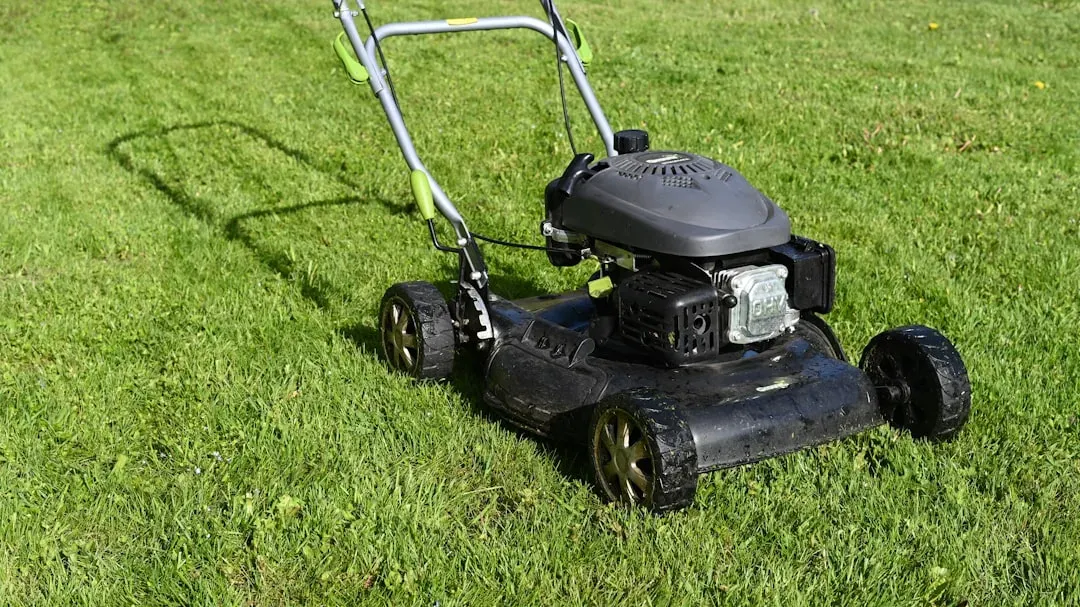
💡 Pro Tip
Run the engine for 2-3 minutes before draining to warm the oil – it flows faster and carries more contaminants out.
Step-by-Step Guide to Drain Oil
1. Warm Up the Engine
Run your mower for about 5 minutes. Warm oil flows faster and drains more completely. Do not let it overheat. Just enough to make it warm to the touch. This step is crucial for a thorough lawn mower oil change.
2. Position the Mower
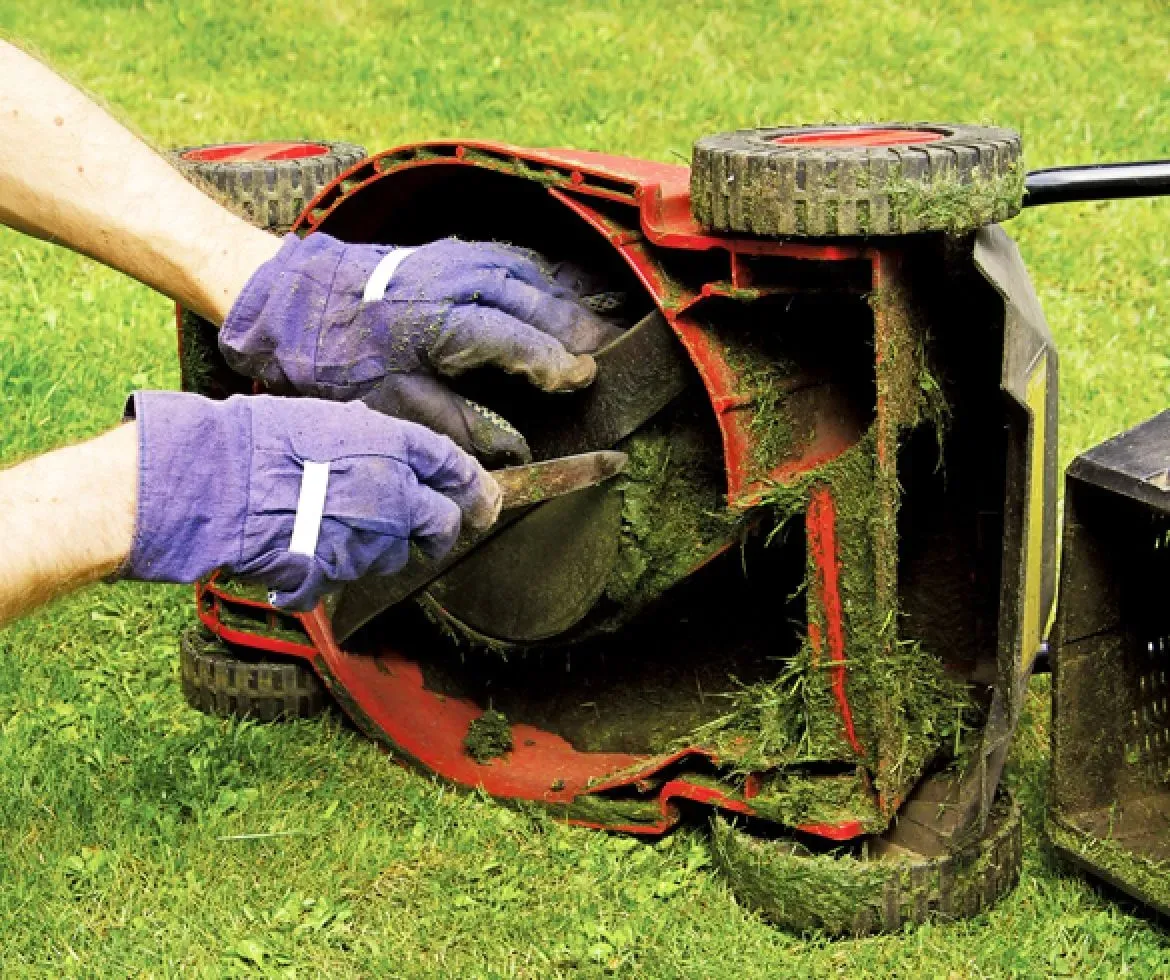
Park on a level surface. Disconnect the spark plug wire for safety. For push mowers, you may need to tilt it on its side (carburetor side up) if no drain plug. For riders, drive onto ramps if needed to access the plug.
3. Locate the Drain Plug
The lawn mower oil drain plug is usually at the bottom of the engine. It looks like a bolt. Some mowers have it on the side. Place your drain pan underneath.
4. Remove the Plug and Drain
Use a wrench to loosen the plug. Turn it counterclockwise. Let oil pour into the pan. Wait until it stops dripping. If using a siphon, insert the tube into the dipstick hole and pump.
5. Replace the Drain Plug
Clean the plug and area. Screw it back on by hand, then tighten with the wrench. Do not overtighten. For mowers with a filter, replace it now (lubricate gasket before installing).
6. Refill with Fresh Oil
Add the correct amount of new oil. Use a funnel to avoid spills. Check the dipstick periodically. Fill to the full mark. Do not overfill.
7. Run and Check
Reconnect the spark plug. Start the engine and let it run for a minute. Check for leaks. Turn off, wait a minute, then recheck oil level. Top up if needed.
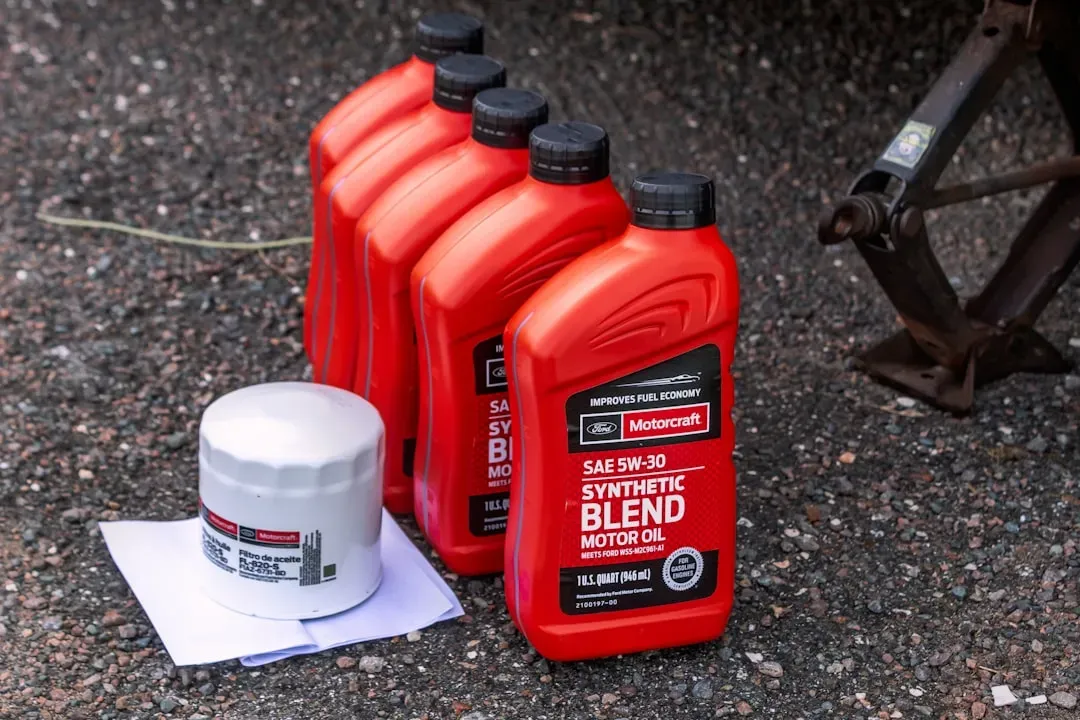
⚠️ Important Note
Never overfill the crankcase; too much oil can cause engine damage. Always check the dipstick after refilling and idle the engine before final check.
How to Properly Dispose of Used Oil
Used motor oil is hazardous waste. Never pour it on the ground, down drains, or into trash. Many auto parts stores and recycling centers accept used oil. Check local regulations. Pour the old oil into a sealed container (like the empty new oil bottle). Label it. Some places also accept oil filters (drain them first).
Proper lawn mower oil disposal protects the environment. One quart of oil can contaminate a million gallons of water. So always recycle. Call ahead to confirm acceptance. Some towns have special collection events. Bookmark the Earth911 website for drop-off locations.
Common Mistakes to Avoid
- Not warming the oil first – cold oil drains slowly and leaves residue.
- Tilting the mower the wrong way – oil can enter the carburetor or air filter. Always tilt with the air filter side up.
- Overfilling with oil – causes excess pressure and leaks. Check level carefully.
- Forgetting to replace the drain plug – you will lose all new oil quickly.
- Using the wrong oil weight – always follow manufacturer specs.
- Disposing of oil improperly – illegal and harmful.
Avoiding these mistakes ensures a successful lawn mower oil change. For a detailed walkthrough, read our guide on how to change oil in lawn mower. It covers filter replacement and troubleshooting. Also, if your mower does not start after the oil change, check our article on how do you start lawn mower for tips.
Frequently Asked Questions
How often should I drain oil from my lawn mower?
At least once per season or every 50 hours of use. Check your manual. If you mow in dusty conditions or use the mower heavily, change it more often.
Can I tilt my lawn mower to drain oil?
Yes, but only if it has no drain plug. Tilt it with the carburetor side up. This prevents oil from leaking into the air filter and exhaust. Always drain from the carburetor side.
What type of oil should I use after draining?
Use SAE 30 for warm weather, or 10W-30 for varying temperatures. Some modern mowers use synthetic blends. Always check your owner manual for the correct viscosity and capacity.
How do I recycle used oil from a lawn mower?
Pour the used oil into a clean, sealable container. Take it to an auto parts store, oil change center, or municipal recycling center. Many accept up to 5 gallons per visit. Call ahead.
Conclusion
Mastering how to drain oil from lawn mower is a simple way to extend engine life. Regular change oil in lawn mower tasks prevent costly repairs. Follow the steps above: warm, drain, refill, and dispose. Always use proper tools and safety precautions. Make it a part of your seasonal maintenance routine.
Remember, a well-maintained mower starts easier and cuts better. Do not skip this essential chore. Your mower will thank you with years of reliable service. Now you have all the knowledge needed to perform a lawn mower oil change with confidence.