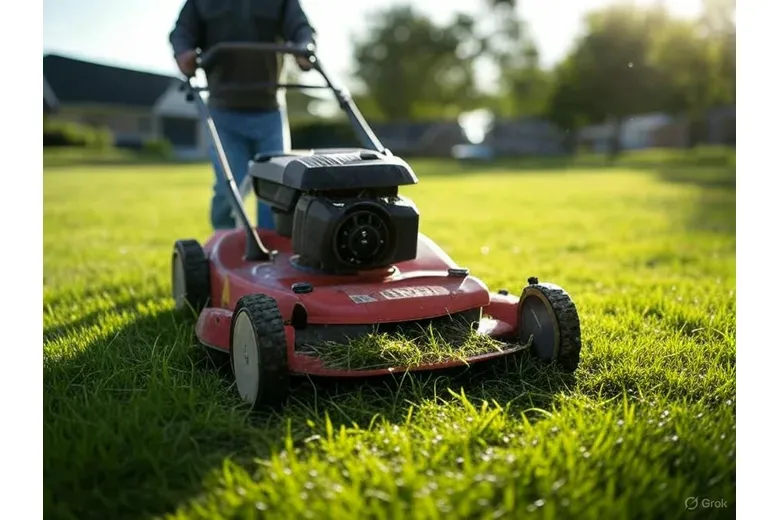
How to Change Oil in Lawn Mower
Learn how to change oil in lawn mower with this easy step-by-step guide. We cover tools, oil types, and pro tips for a smooth lawn mower oil change.
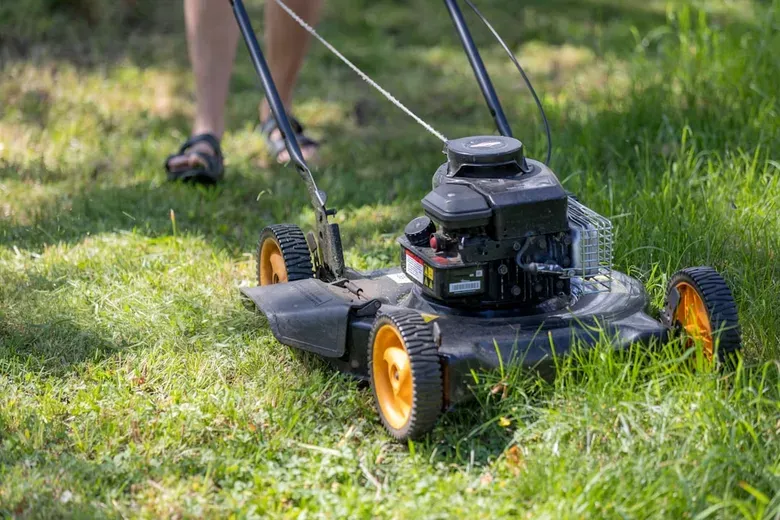
How to change oil in lawn mower is a simple task that keeps your engine running smoothly. Regular oil changes prevent wear and extend the life of your mower. This guide covers everything you need to know. Follow these steps to maintain peak performance.
Changing oil might seem daunting, but it takes less than 30 minutes. You only need a few basic tools and the right oil. By learning how to change oil in lawn mower, you save money on repairs. Plus, you ensure your lawn looks great every time you mow.
In this article, we explain why oil changes matter. We also provide a detailed step-by-step guide. You will learn the best practices for lawn mower maintenance. Let's get started.
Key Takeaways
- Main Point: Changing oil regularly keeps your mower engine healthy and prevents costly damage.
- Actionable Advice: Always warm up the engine before draining to remove old oil completely.
- Best Choice: Use SAE 30 oil for warm climates or 10W-30 for varying temperatures.
- Expert Insight: Dispose of used oil at a recycling center – never pour it down the drain.
- Summary: This guide teaches you to change oil safely and efficiently in under 30 minutes.
Why Regular Oil Changes Matter for Lawn Mower Performance
Engine oil lubricates moving parts and reduces friction. Over time, oil breaks down and collects debris. Lawn mower oil change is essential to remove contaminants and protect the engine. Without fresh oil, your mower may overheat or seize up.
Most manufacturers recommend changing oil every 50 hours of use or at least once a season. If you mow frequently, you should change it more often. Regular lawn mower maintenance ensures reliable starts and efficient cutting.
Dirty oil causes sludge buildup. This reduces engine power and increases fuel consumption. By learning how to change oil in lawn mower, you avoid these problems and extend the life of your equipment.
Tools and Materials You Will Need
Before starting, gather the right supplies. You need an oil drain pan, a funnel, and the correct oil. Also have a socket or wrench for the drain plug. Some mowers have a drain plug; others require you to tip the mower.
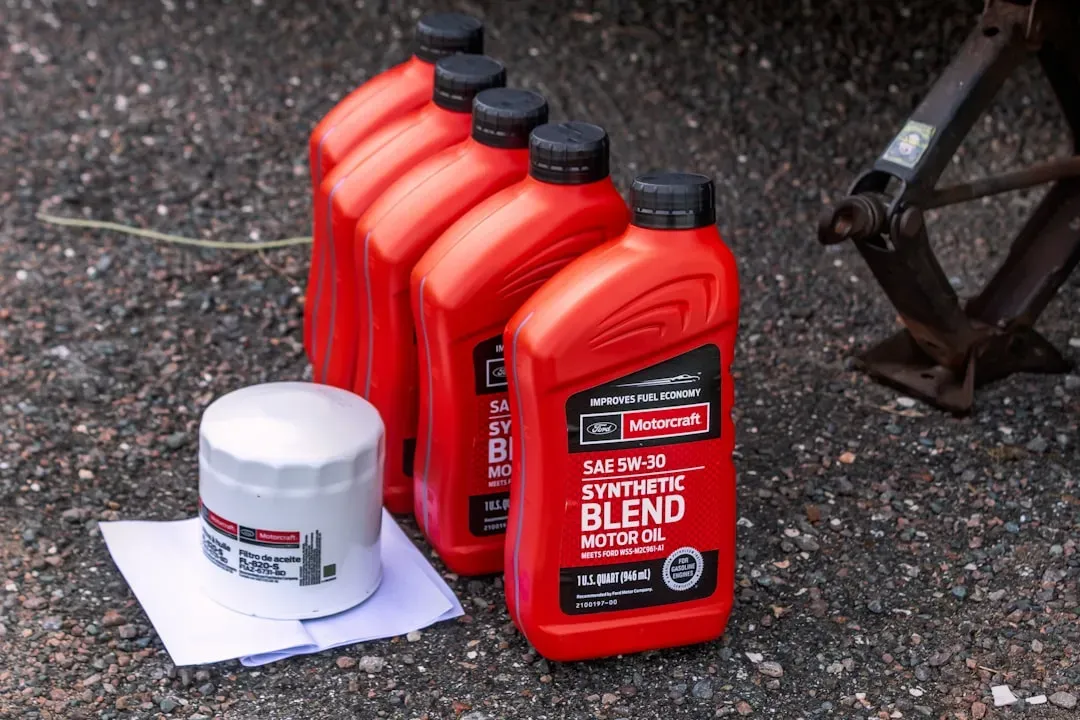
Lawn mower oil type depends on your engine. Check the owner's manual. Common choices are SAE 30 and 10W-30. Synthetic oils offer better protection but cost more. Use high-detergent oil for small engines.
Here is a quick list of tools:
- Oil drain pan – to catch old oil
- Funnel – to pour new oil without spills
- Socket or wrench – to remove the drain plug
- New oil – proper type and quantity
- Shop towels – for cleanup
- Recycling container – for used oil
Having everything ready makes the process smooth. Always wear gloves to protect your hands from hot oil.
💡 Pro Tip
Warm up the engine for 3-5 minutes before draining. Warm oil flows faster and removes more sludge.
Step-by-Step Guide: How to Change Oil in Lawn Mower
Follow these steps for a safe and effective oil change. Always work on a level surface. Let the engine cool slightly but keep it warm. Warm oil drains faster and removes more contaminants.
Step 1: Prepare the Mower
Disconnect the spark plug wire to prevent accidental starts. Remove the dipstick to allow air flow. Place the drain pan under the mower's oil drain plug or oil fill tube.
Step 2: Drain the Old Oil
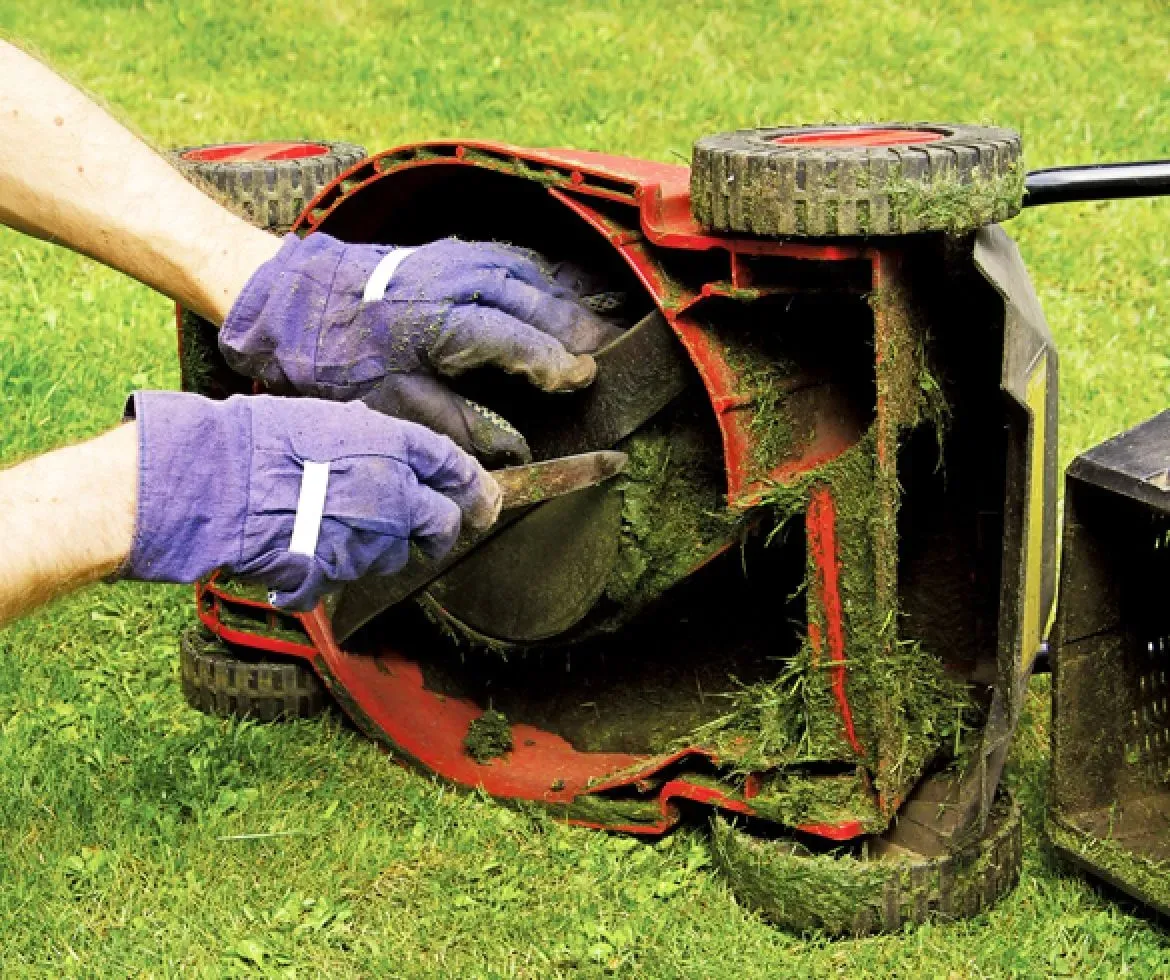
If your mower has a drain plug, remove it with a wrench. Let the oil flow into the pan. If no drain plug, tip the mower on its side (carburetor up) and drain from the fill tube. Drain lawn mower oil completely – tilt the mower if needed.
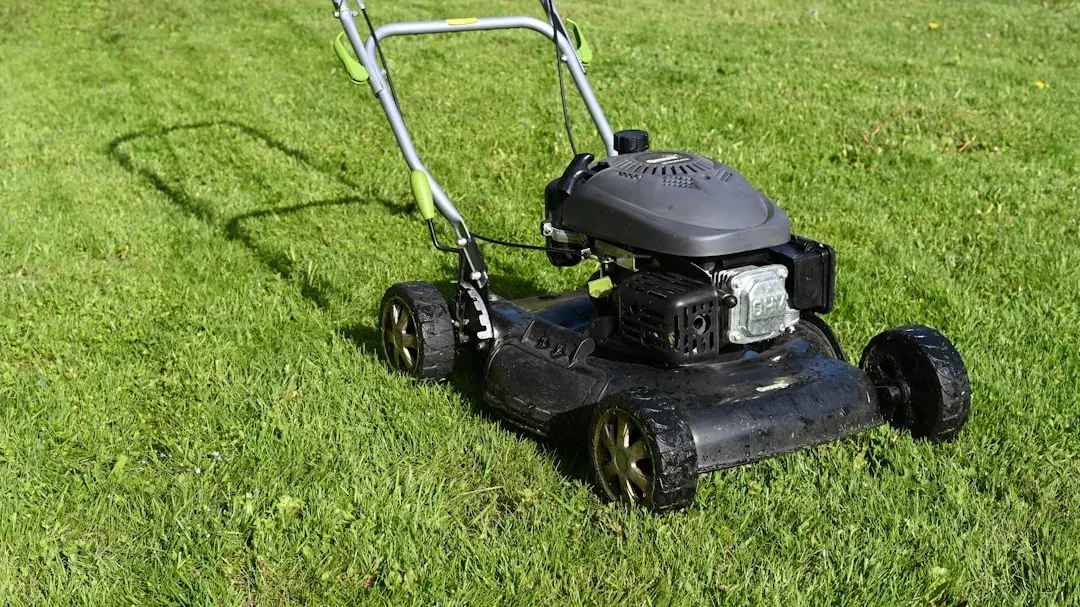
Step 3: Replace Lawn Mower Oil
Once drained, reinstall the drain plug. Use a funnel to pour in the correct amount of new oil. Check the dipstick often. Do not overfill. Wipe up any spills.
Step 4: Final Checks
Replace the dipstick and reconnect the spark plug. Start the engine and let it run for a minute. Check for leaks. Turn off, wait, and recheck the oil level. Add more if needed.
⚠️ Important Note
Never tip the mower with the carburetor down – oil can flood the air filter and cause engine damage. Always tip with carburetor up.
Choosing the Right Oil Type for Your Lawn Mower
Using the correct oil is vital. The lawn mower oil type affects engine performance and longevity. Most small engines use SAE 30 weight oil in warm temperatures. For cooler climates, 10W-30 is better. Synthetic oils are an option but ensure they meet API service classifications.
Always check the owner's manual for the recommended viscosity and capacity. Some modern mowers require synthetic blend or full synthetic. Using the wrong oil can cause poor lubrication or engine damage.
Here are common oil types:
- SAE 30 – standard for warm weather
- 10W-30 – multi-grade for varying temps
- 5W-30 – for cold starts
- Synthetic SAE 30 – better protection, longer intervals
Always use high-quality oil from reputable brands. Cheap oil may not provide adequate protection.
Common Mistakes to Avoid During Lawn Mower Oil Change
Even simple tasks can go wrong. Avoid these common errors to ensure a successful lawn mower oil change.
- Overfilling oil – causes foaming and leaks. Always use the dipstick to check.
- Draining cold oil – leaves sludge behind. Warm the engine first.
- Using the wrong oil type – reduces lubrication. Stick to the manual.
- Forgetting to replace the drain plug – leads to massive leaks. Double-check.
- Not disposing of oil properly – harms the environment. Recycle at an auto shop.
By avoiding these mistakes, you ensure your mower runs smoothly. Lawn mower maintenance becomes easy when you know what to watch for.
For more help choosing the right mower, check out our guide on how to select a lawn mower for your yard. If you're in the market, read how to buy a lawn mower for home for expert tips.
Frequently Asked Questions
How often should I change the oil in my lawn mower?
Change oil every 50 hours of use or at least once per season. For heavy use, change more often.
Can I use car oil in my lawn mower?
Yes, but use the correct viscosity. Avoid energy-conserving oils as they can cause clutch slippage. Stick to SAE 30 or 10W-30.
What happens if I don't change the oil?
Dirty oil leads to sludge, overheating, and engine failure. Regular changes prevent costly repairs.
How do I dispose of used oil?
Take it to a local auto parts store or recycling center. Never pour it on the ground or in trash.
Conclusion
Learning how to change oil in lawn mower is a valuable skill. It keeps your mower running efficiently and extends its life. With the right tools and a few simple steps, you can do it in under half an hour.
Remember to use the correct lawn mower oil type and dispose of old oil properly. Regular lawn mower maintenance includes changing oil, cleaning filters, and sharpening blades. Take care of your mower, and it will take care of your lawn.