How to Clean a Lawn Mower Carb
Master how to clean a lawn mower carb with this detailed guide. Learn step-by-step, get pro tips, and fix common issues. Boost mower performance today!
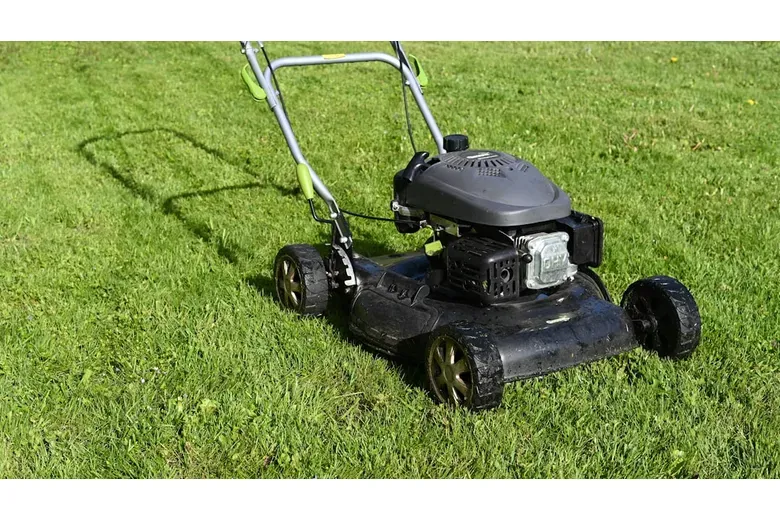
If your lawn mower sputters, stalls, or fails to start, the problem often lies in the carburetor. Learning how to clean a lawn mower carb is a vital skill for any homeowner. A clean carburetor ensures smooth fuel flow and optimal engine performance. In this guide, we will walk you through the entire process step by step. You will discover the tools needed, safety precautions, and professional techniques to restore your mower's power.
Regular lawn mower carburetor cleaning can extend the life of your engine and save you money on repairs. Most carburetor issues stem from old fuel, dirt, or varnish deposits. By following this guide, you can tackle the job yourself. Even if you are a beginner, the steps are simple and clear. We will cover both full disassembly and a quick clean without removing the carburetor.
This article is packed with small engine carburetor maintenance tips. You will learn how to diagnose problems, use the right cleaners, and reassemble everything correctly. Let's dive in and get your mower running like new again.
Key Takeaways
- Main Point: Cleaning the carburetor is the most effective fix for starting and performance issues.
- Actionable Advice: Always disconnect the spark plug and drain old fuel before starting.
- Best Choice/Practice: Use a dedicated carburetor cleaner spray for best results.
- Expert Insight: Replacing the fuel filter and using fuel stabilizer can prevent future clogs.
- Summary: With basic tools and patience, you can clean your carburetor in under an hour.
Understanding the Carburetor's Role in Your Lawn Mower
The carburetor mixes air and fuel in the correct ratio for combustion. A dirty carburetor disrupts this mix, causing poor performance. Understanding how it works helps you diagnose issues faster. The carburetor has a float bowl, jets, and a throttle plate. These parts can become clogged with debris.
Regular lawn mower fuel system repair often starts with the carburetor. If your mower hesitates or backfires, the carburetor is likely the culprit. Starting your lawn mower properly after cleaning is also important to avoid flooding. A clean carburetor ensures easy starts and smooth operation.
Below is a quick comparison of common cleaning methods. Choose the one that fits your skills and time.
Tools and Materials You Will Need
Before you start, gather the right tools. You will need a socket set, screwdrivers, and a carburetor cleaner spray. Also, have a clean cloth, a small brush, and safety goggles. A can of compressed air helps blow out passages. These items are cheap and available at auto parts stores.
For small engine carburetor maintenance, having the correct tools makes the job easier. Do not use harsh chemicals like brake cleaner on plastic parts. A dedicated carburetor cleaner is safe and effective. You may also need a replacement gasket kit if the old ones are damaged.
Always work in a well-ventilated area. Fuel vapors are flammable. Keep a fire extinguisher nearby. Safety first before you begin any repair. Now, let's move to the step-by-step process.
💡 Pro Tip
Use compressed air to blow out all tiny passages after spraying cleaner. This ensures no debris remains lodged inside.
Step-by-Step Guide to Clean the Carburetor
Disconnecting and Removing the Carburetor
First, disconnect the spark plug wire to prevent accidental starts. Then, drain the fuel tank or empty it using a siphon. Remove the air filter cover and the air filter. You will see the carburetor mounted on the engine. Loosen the clamps and disconnect the fuel line. Unbolt the carburetor and lift it off the intake manifold.
Be careful with small nuts and bolts. They can fall into the grass. Place them in a container. On some models, you may need to remove the throttle linkage. Take a photo before disassembly to help with reassembly.
Disassembling and Cleaning the Carburetor
Place the carburetor on a clean workbench. Remove the float bowl by unscrewing the center bolt. Inside, you will see the float needle and jet. Spray carburetor cleaner through all passages. Use the brush to scrub the bowl and jets. Blow out debris with compressed air.
Pay special attention to the main jet and idle jet. These are the most common clog points. If the jets are blocked, use a thin wire to clear them. Do not enlarge the holes. Reassemble the carburetor with new gaskets if needed.
Reinstalling and Testing
Mount the carburetor back onto the engine. Reconnect the fuel line, throttle linkage, and air filter. Fill the fuel tank with fresh gasoline. Reconnect the spark plug. Start the engine and let it run for a few minutes. Check for leaks around the carburetor base.
If the engine runs smoothly, you have succeeded. If it still stutters, you may need to adjust the idle mixture screw. Turn it gently in or out until the engine purrs. This completes the lawn mower carburetor cleaning process.
⚠️ Important Note
Always wear safety glasses and gloves. Gasoline is highly flammable. Work in a well-ventilated area away from open flames or sparks.
Alternate Method: Clean Carburetor Without Removing It
If you want to clean carburetor without removing it, use a spray cleaner with a straw. This method works for minor clogs. Start the engine and spray cleaner into the air intake. The engine may stall and restart. Repeat a few times. This can dissolve some deposits but is not as thorough as disassembly.
This method is a temporary fix. For long-term reliability, full cleaning is better. Use it only when you cannot remove the carburetor. Always follow the cleaner's instructions. Avoid over-spraying into the engine.
- Spray into the carburetor throat while the engine runs at half throttle.
- Let the engine die and restart it.
- Repeat until the engine idles smoothly.
Common Carburetor Problems and Troubleshooting Tips
Even after cleaning, issues can arise. Here are typical problems and solutions. Use these carburetor troubleshooting tips to diagnose quickly.
- Engine won't start: Check for fuel flow. Ensure the fuel line is not kinked. Clean the fuel filter.
- Engine runs rough: Adjust the idle screw. Check for vacuum leaks around the carburetor base.
- Engine floods: The float needle may be stuck. Tap the carburetor lightly. If it persists, rebuild the carburetor.
- Black smoke: Too much fuel. Adjust the mixture screw.
Regular regular oil changes also help keep your engine healthy. A well-maintained mower needs fewer carburetor cleanings.
Frequently Asked Questions
Why does my lawn mower carburetor get dirty?
Old fuel leaves varnish deposits. Dirt from the air filter can also enter. Using fuel stabilizer helps prevent buildup. Clean the carburetor at least once a season.
Can I use brake cleaner to clean the carburetor?
No. Brake cleaner can damage plastic and rubber parts. Use a dedicated carburetor cleaner. It is safe for all carburetor components.
How often should I clean the carburetor?
Clean it once a year or whenever you experience performance issues. If you use ethanol-free fuel, you may need less frequent cleaning.
What are signs of a dirty carburetor?
Signs include hard starting, stalling, rough idle, and black smoke. Your mower may also lose power under load. Address these quickly to avoid engine damage.
Conclusion
Learning how to clean a lawn mower carb is a valuable skill. It saves you money and keeps your mower running reliably. With the right tools and patience, you can do it yourself. Follow the steps carefully and always prioritize safety.
Regular maintenance, including fuel stabilizer and clean filters, extends the time between cleanings. If you encounter stubborn issues, consult a professional. Now you have the knowledge to tackle this job with confidence. Your lawn mower will thank you with years of faithful service.