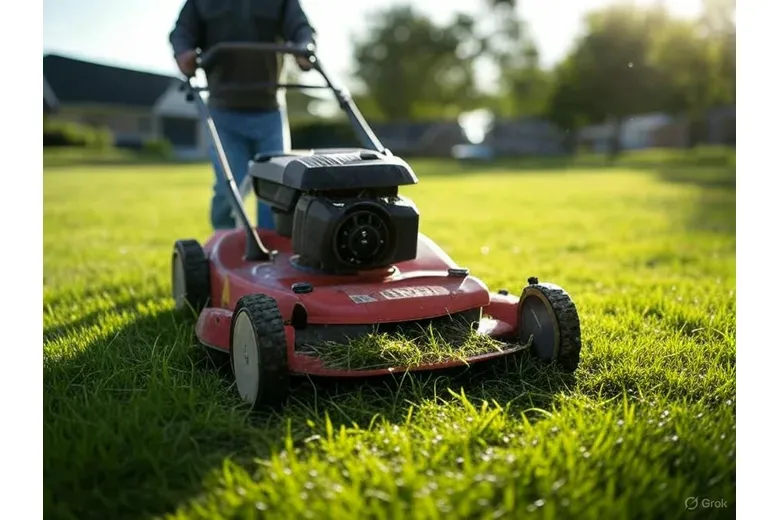
How to Change Oil on Lawn Mower
Learn how to change oil on lawn mower with this step-by-step guide. Includes tools, tips, and safe disposal. Keep your mower running smoothly.
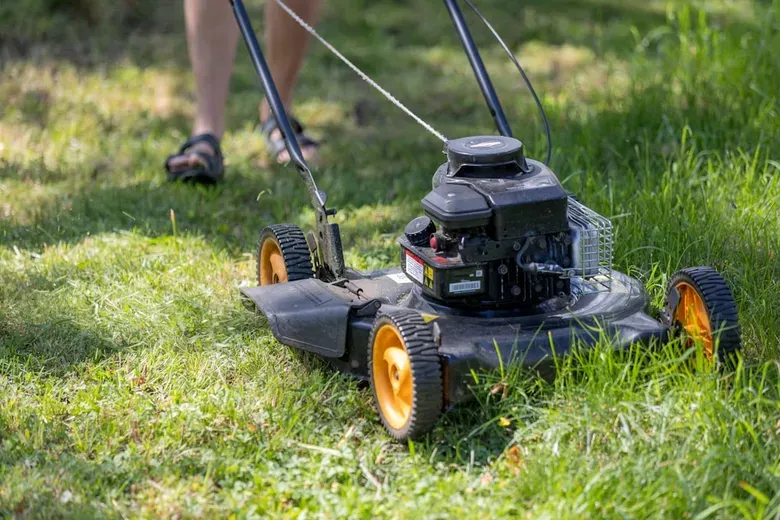
How to change oil on lawn mower is a basic maintenance task that keeps your engine running smoothly. Regular oil changes remove dirt and debris, extending the life of your mower. This guide walks you through the entire process, from gathering supplies to safe disposal. Whether you have a push mower or a riding mower, the steps are similar. Follow along to keep your equipment in top shape.
Changing the oil might seem daunting, but it is simple. You only need a few tools and about 20 minutes. Most lawn mowers require an oil change every 50 hours of use or at the start of each season. Doing it yourself saves money and ensures proper care. Let's get started.
Key Takeaways
- Main Point: Regular lawn mower oil change prevents engine wear and improves performance.
- Actionable Advice: Always warm up the engine before draining to remove more contaminants.
- Best Choice/Practice: Use the oil type recommended in your owner's manual—typically SAE 30 or 10W-30.
- Expert Insight: Check the oil level on a flat surface to get an accurate reading.
- Summary: Changing oil every season or 50 hours is easy and keeps your mower reliable.
Why You Need to Perform a Lawn Mower Oil Change
Oil lubricates the engine's moving parts. Over time, it breaks down and collects dirt. A small engine oil change removes these contaminants. This reduces friction and heat. Your mower runs cooler and lasts longer. Skipping oil changes can lead to engine failure. Most repairs cost more than routine maintenance. So, stay on schedule.
Think of oil as the lifeblood of your mower. Clean oil protects internal components. Dirty oil is like sandpaper. It wears out bearings and pistons. The result is poor performance and expensive fixes. A simple lawn mower oil change is the best prevention. It also helps with easier starting and smoother operation.
Tools and Materials You Will Need
Before you start, gather these items. This makes the job quick and clean. You do not need fancy equipment. Most tools are common in any garage.
- New oil (check your manual for the correct oil type for lawn mower)
- Oil drain pan or container
- Socket or wrench for the mower oil drain plug
- Funnel
- Rags or paper towels
- Gloves (optional but recommended)
Use the oil viscosity your manufacturer suggests. Common types are SAE 30, 10W-30, and synthetic blends. Do not use car oil additives. They can harm small engines. If you are unsure, ask a dealer or check online.
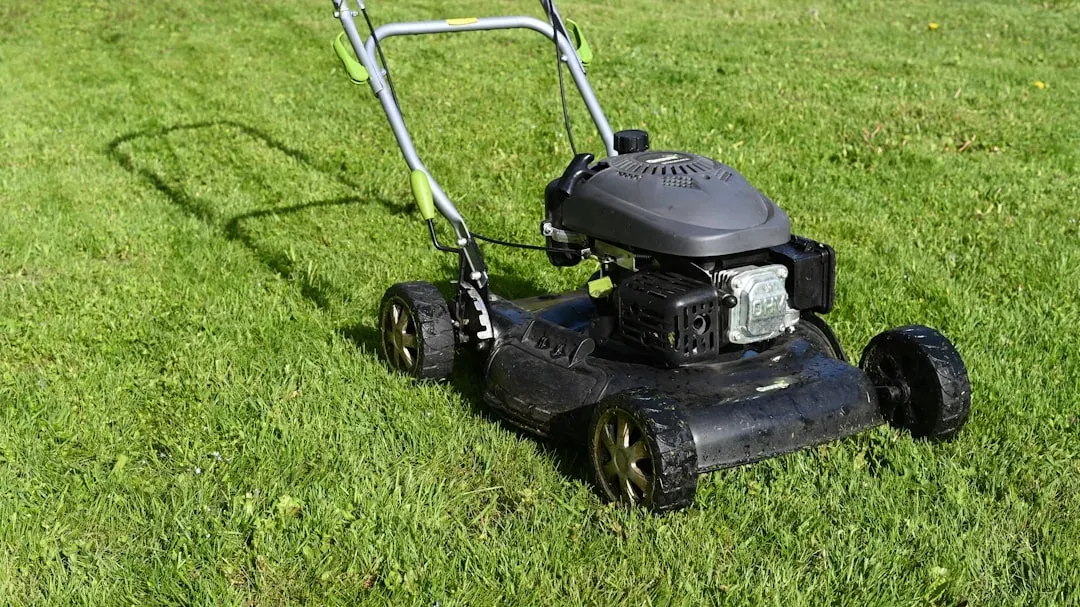
💡 Pro Tip
Run the engine for 5 minutes before draining to warm the oil. Warm oil flows faster and carries out more contaminants, giving you a more thorough change.
Step-by-Step: How to Drain Lawn Mower Oil
Draining the old oil is the core of the process. Follow these steps carefully. They work for most walk-behind and riding mowers.
Step 1: Warm Up the Engine
Run the mower for about 5 minutes to warm the oil. Warm oil flows faster and carries more debris out. Turn off the engine and let it cool slightly. Do not touch hot parts. Safety first.
Step 2: Position the Mower
Park on a level surface. For push mowers, tilt the mower so the spark plug faces up. This prevents oil from leaking into the carburetor. For riding mowers, set the parking brake. Place the drain pan under the drain plug area.
Step 3: Remove the Drain Plug
Locate the mower oil drain plug. It is usually on the bottom or side of the engine. Use a socket or wrench to loosen it. Remove the plug carefully. Let the oil drain into the pan. This takes a few minutes.
Step 4: Replace the Drain Plug
Once the oil stops dripping, clean the plug and the area around it. Reinstall the plug and tighten it securely. Do not overtighten. You might strip the threads.
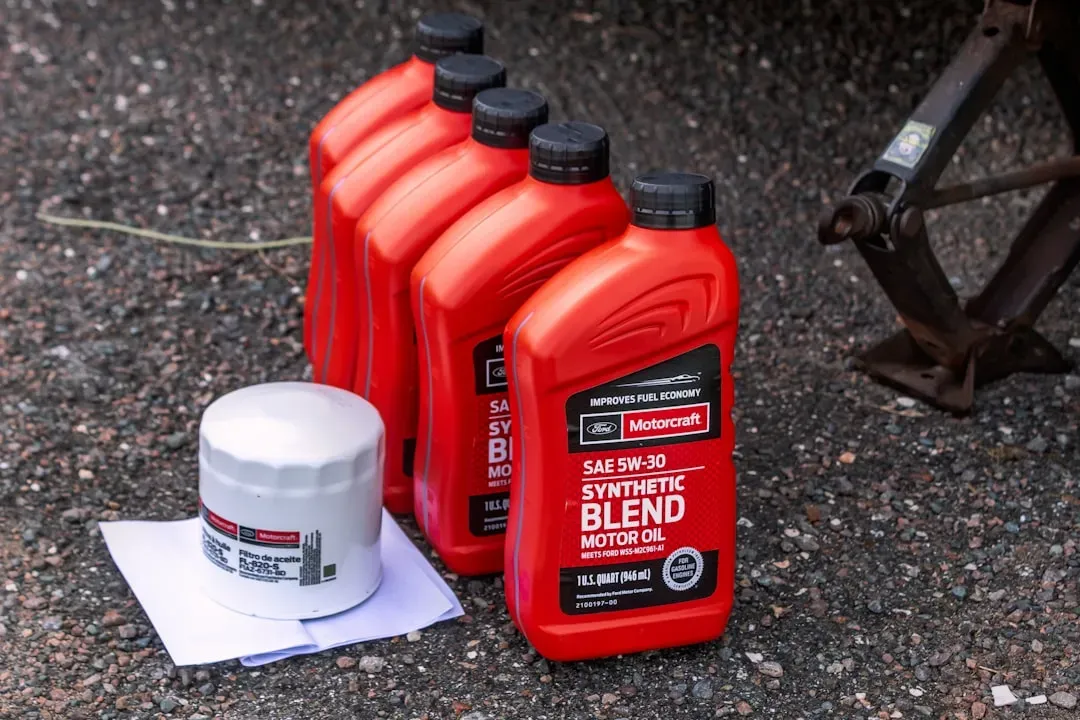
⚠️ Important Note
Never overfill the oil. Check the dipstick on a level surface. Overfilling can cause leaks, smoke, and engine damage. Always use the oil type specified in your owner's manual.
How to Add New Oil and Check the Level
Adding fresh oil is easy. But you must use the right amount and type. Here is what to do.
Choose the Correct Oil
Refer to your owner's manual for the recommended oil type for lawn mower. Most modern engines use SAE 30 or 10W-30. For hot climates, SAE 30 is common. For cold weather, 10W-30 flows better. Synthetic oils provide extra protection but cost more.
Fill the Engine
Place a funnel in the oil fill tube. Pour in the oil slowly. Do not overfill. Add about half of the expected capacity, then check the dipstick. Repeat until the oil reaches the full mark. A typical push mower takes about 0.5 to 0.7 quarts.
Check the Level
Wipe the dipstick clean. Insert it fully without screwing it in. Pull it out and check the level. It should be between the Low and Full marks. Add more if needed. Do not run the engine with low oil.
Dispose of Used Oil Properly
Never pour used oil down drains or on the ground. It is illegal and harmful. Collect the old oil in a sealed container. Many auto parts stores and service stations accept used oil for recycling. Some towns have household hazardous waste sites. How to change oil on lawn mower includes responsible disposal. Keep the environment clean.
Oil filters also need proper disposal. Drain them and put them in a plastic bag. Check with your local recycling center for rules. Some stores charge a small fee for disposal. It is worth it to avoid fines.
- Store used oil in a clean, sealed container.
- Label it as "used oil."
- Take it to a collection center.
- Never mix with other fluids.
Frequently Asked Questions
How often should I change the oil in my lawn mower?
Most manufacturers recommend every 50 hours of use or once per season. Check your manual. If you mow a large yard, you might need to change more often.
Can I use car oil in my lawn mower?
It is best to use oil designed for small engines. Car oil often contains additives that can cause problems. Stick to SAE 30 or 10W-30 for lawn mowers.
What do I do if I accidentally overfill the oil?
Drain some oil until the level is correct. Overfilled oil can cause leaks and engine damage. Use a pump or remove the drain plug briefly.
Do I need to change the oil filter every time?
Not all mowers have an oil filter. If yours does, change it with every oil change for best results. It traps contaminants and prolongs engine life.
For more detailed guidance on how to change oil in lawn mower, check out our comprehensive resource. Also, if you need help starting your mower after an oil change, see how do you start lawn mower for tips.
Conclusion
Learning how to change oil on lawn mower is a valuable skill. It saves money and extends the life of your equipment. The process is simple: warm the engine, drain the old oil, replace the plug, add new oil, and dispose properly. Always use the correct oil type for lawn mower and check the level with the dipstick. Perform this maintenance regularly. Your mower will reward you with reliable starts and a healthy engine. Stay on top of this task, and your lawn will look great all season.
Remember, safety matters. Wear gloves and work in a well-ventilated area. Keep oil away from children and pets. With a little practice, an oil change becomes a quick routine. Enjoy the satisfaction of a job well done.