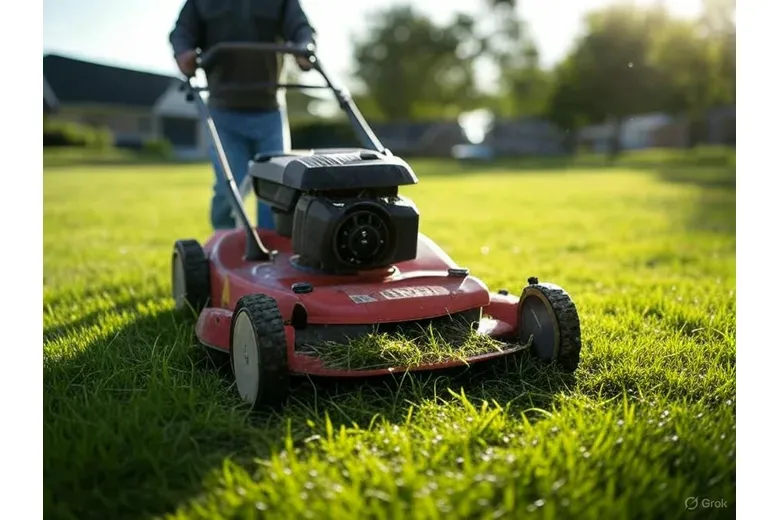
How to Change Oil of Lawn Mower
Learn how to change oil of lawn mower with our step-by-step guide. Includes tips on oil types, draining, and refilling for optimal engine performance.
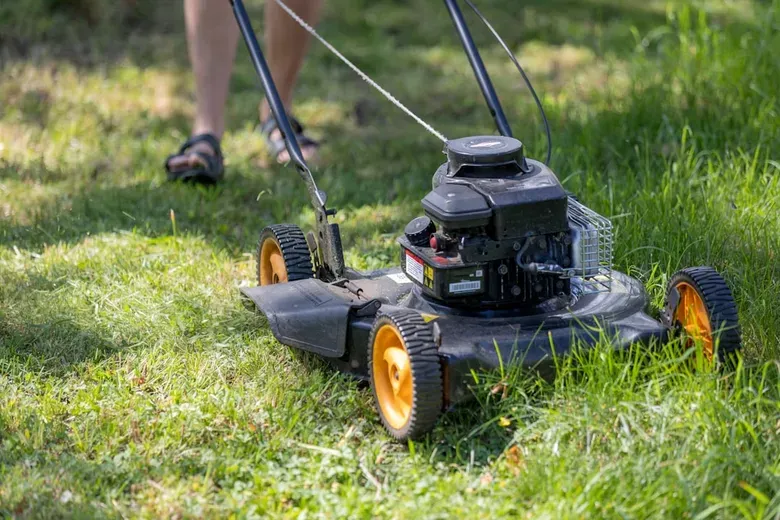
Learning how to change oil of lawn mower is essential for keeping your engine running smoothly. Regular oil changes prevent wear and extend the life of your mower. This guide covers every step, from gathering tools to proper disposal. Whether you have a push mower or a riding model, these instructions apply. Follow along to maintain peak performance and avoid costly repairs.
Changing oil is a simple DIY task that takes about 30 minutes. It helps remove contaminants that build up during operation. Clean oil lubricates moving parts and reduces friction. Neglecting this maintenance can lead to engine failure. By the end of this guide, you will know exactly what to do.
Before starting, check your owner's manual for specific recommendations. Different engines require different oil viscosities. We will cover oil types, draining methods, and refilling techniques. Let us dive into the process.
Key Takeaways
- Main Point: Changing oil regularly is the single best way to extend your lawn mower's engine life.
- Actionable Advice: Always warm up the engine before draining to ensure old oil flows out completely.
- Best Choice/Practice: Use SAE 30 or 10W-30 oil for most warm-season mowers; check your manual first.
- Expert Insight: Skipping oil changes causes sludge buildup that reduces performance and may void warranty.
- Summary: This step-by-step process takes under an hour and requires only basic tools and supplies.
Preparing for a Lawn Mower Oil Change
Before you start, gather all necessary items. You will need new oil, a drain pan, a funnel, and a wrench or socket set. Also have rags and gloves ready. The exact tools depend on your mower model. For most push mowers, you need a 3/8-inch drive ratchet or a basic wrench. Riding mowers may require different sizes.
Choose the right lawn mower oil type based on your engine. Common options include SAE 30 (for warm weather), 10W-30 (multigrade), and synthetic blends. Check your owner's manual for the recommended viscosity and capacity. Using the wrong oil can cause poor lubrication or engine damage. Always use high-detergent oil designed for small engines.
Steps to Drain Oil from Lawn Mower
First, run the engine for a few minutes to warm the oil. Warm oil drains faster and carries away more contaminants. Turn off the engine and disconnect the spark plug wire to prevent accidental starting. This is a critical safety step. Now locate the oil drain plug or dipstick tube. For many push mowers, you tip the mower to drain from the fill tube.
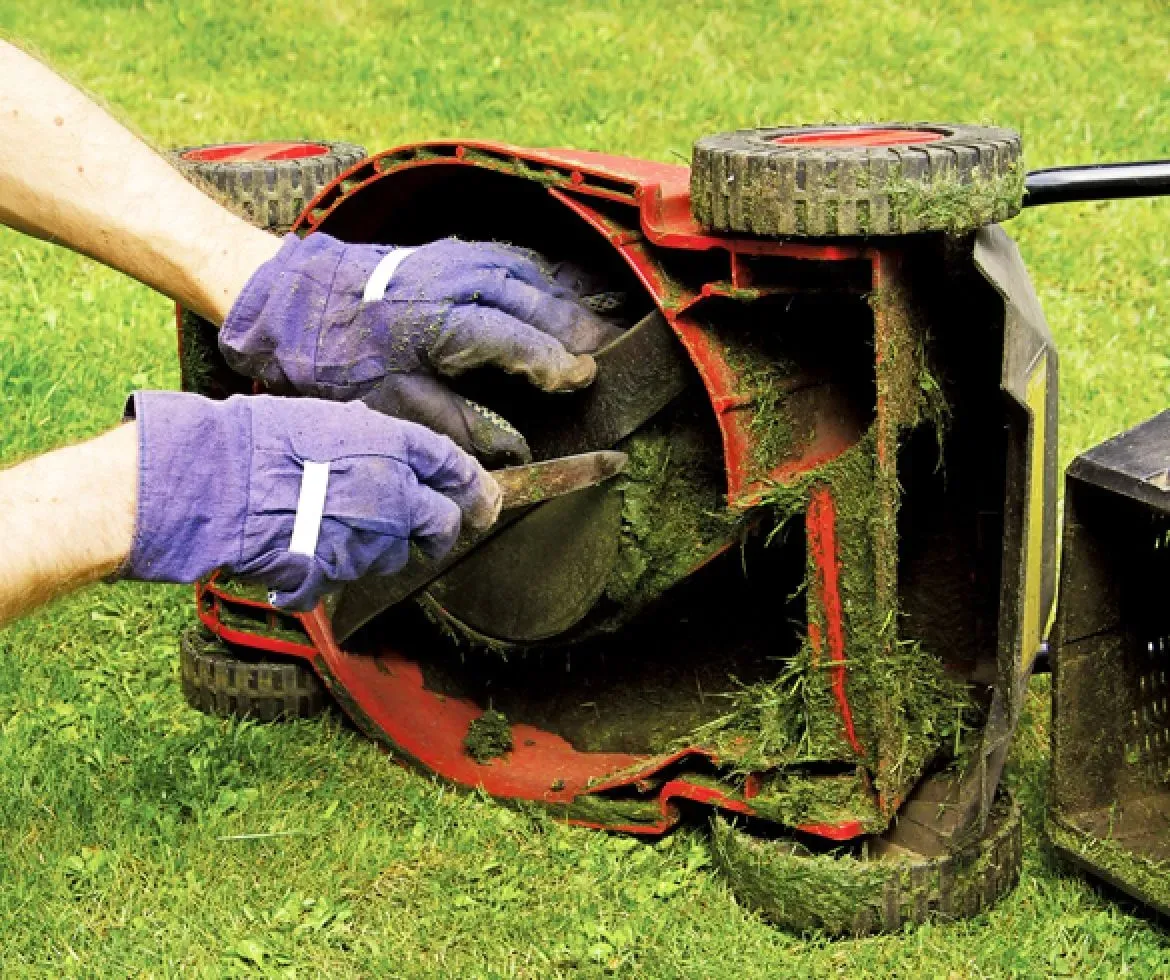
If your mower has a drain plug, place a pan underneath and remove the plug with a wrench. Allow the old oil to flow out completely. Tilt the mower if needed to get every drop. For models without a plug, you must drain oil from lawn mower by tipping it on its side. Keep the air filter side facing up to avoid oil leakage into the filter. Let it drain for several minutes.
💡 Pro Tip
Always warm the engine for 2-3 minutes before draining. This allows contaminants to suspend in the oil, ensuring a more complete drain.
Refilling with Fresh Oil and Checking Level
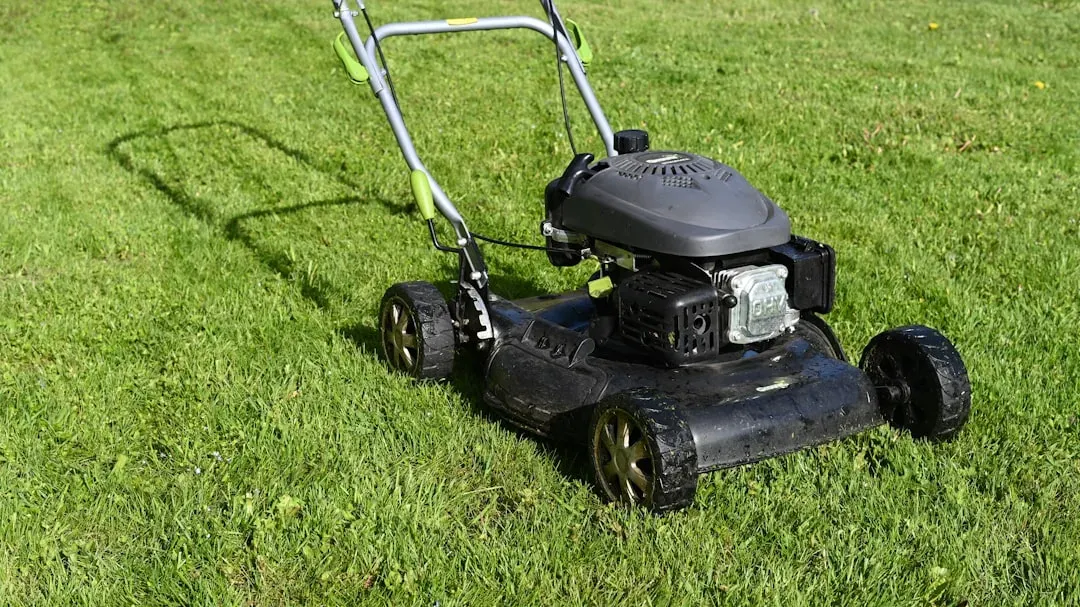
After draining, replace the drain plug and tighten it securely. Place the mower back on its wheels. Insert a funnel into the oil fill tube and pour in the recommended amount of new oil. Do not overfill. Check the dipstick after adding a few ounces. Wipe it clean, insert it fully, then remove to see the level. The oil should be between the "Full" and "Add" marks.
For riding mowers, you may also need to perform a mower oil filter replacement if your model has one. Replace the filter every other oil change. Spin off the old filter, apply a thin coat of new oil to the gasket of the new filter, then hand-tighten it. Do not overtighten. After refilling, run the engine for a minute, shut it off, and recheck the oil level. Top up as needed.
⚠️ Important Note
Never tip the mower with the air filter side down. Oil will saturate the filter, leading to poor engine performance and potential damage.
Small Engine Oil Change Frequency and Tips
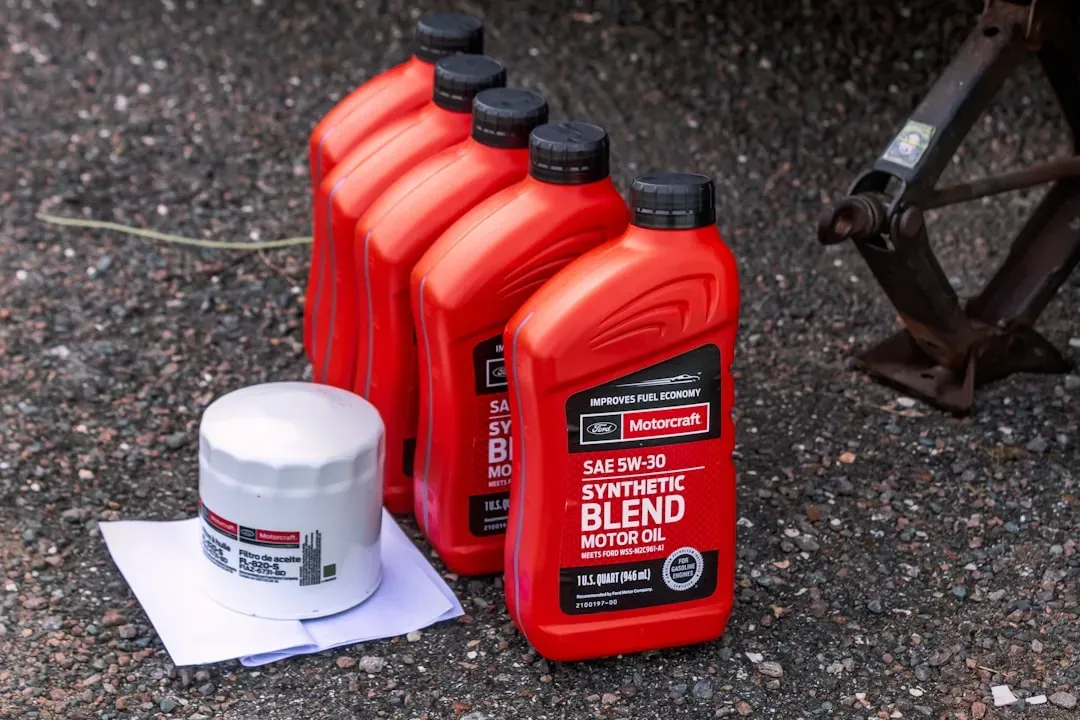
For most residential mowers, change oil every 50 hours of operation or once per season, whichever comes first. Frequent use in dusty conditions requires more frequent changes. Follow the lawn mower oil change steps outlined above each time. Keep a log of hours and date of last change.
Dispose of used oil responsibly. Take it to an auto parts store or recycling center. Never pour it down drains or into the ground. Store new oil in a clean, sealed container away from heat sources. Always check the oil level before each use. Low oil can cause engine seizure.
Common Mistakes to Avoid When Changing Oil
One common error is overfilling the crankcase. This causes excess pressure, oil leaks, and foam that reduces lubrication. Only add oil slowly and check frequently. Another mistake is using the wrong viscosity. For example, using 5W-30 in a hot climate can lead to excessive oil consumption. Stick to the manufacturer's recommendation.
Also, forgetting to replace the drain plug or tighten it properly leads to messy leaks. After a small engine oil change, always wipe down the area to spot drips. Finally, never skip the spark plug safety step. A mower can start accidentally if the wire is connected. Disconnect it every time you work on the engine.
Frequently Asked Questions
How often should I change the oil in my lawn mower?
Change the oil every 50 hours of use or once a year, whichever is more frequent. Check your manual for exact intervals.
Can I use car oil in my lawn mower?
Car oil is not recommended. Use oil specifically formulated for small engines, like SAE 30 or 10W-30. Car oil lacks the additives needed for air-cooled engines.
What happens if I put too much oil in my lawn mower?
Overfilling can cause engine damage, smoke, and oil leaks. The oil level should stay between the marks on the dipstick. Drain excess if needed.
Do I need to warm the engine before draining oil?
Yes, warming the oil helps it flow out quickly and carries away contaminants. Run the engine for a few minutes, then turn it off and proceed.
Conclusion
Knowing how to change oil of lawn mower keeps your equipment running efficiently. Regular oil changes are simple but vital for engine health. Follow the steps: prepare, drain, refill, and dispose properly. Always use the correct oil type and check levels.
By investing a little time each season, you avoid expensive repairs and enjoy a lush lawn. For more details, see our guide on How to Change Oil in Lawn Mower for additional tips. Also learn How Do You Start Lawn Mower safely after maintenance.