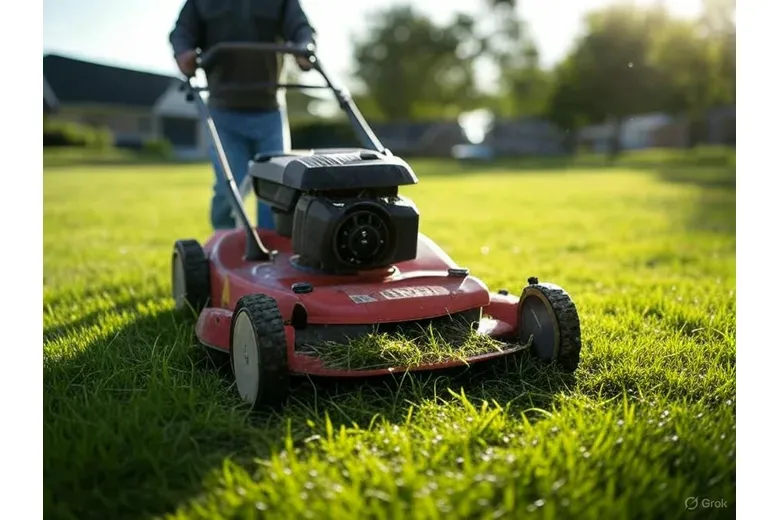
How to Change Lawn Mower Blade
Learn how to change lawn mower blade safely and efficiently. Step-by-step instructions, pro tips, and essential safety notes for a perfect lawn mower blade replacement.
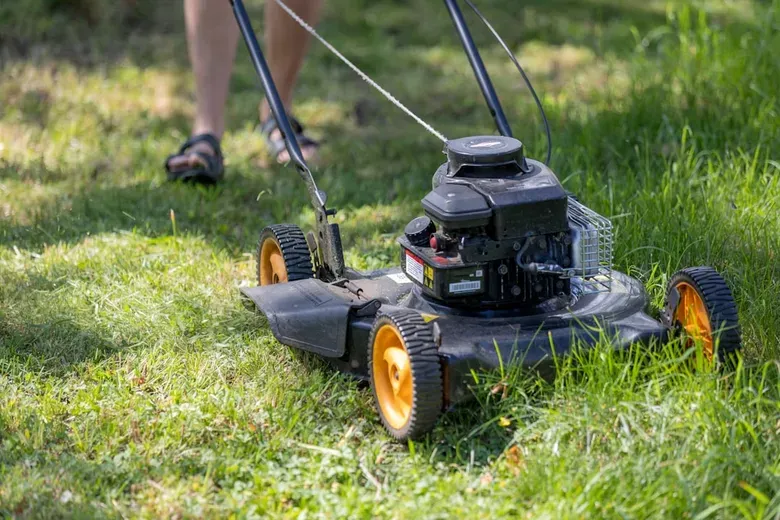
How to change lawn mower blade is a crucial skill for any lawn care enthusiast. A sharp blade ensures a clean cut, which promotes healthier grass and prevents disease. Over time, blades become dull from contact with soil and debris. Replacing or sharpening them regularly keeps your mower running efficiently. This guide walks you through the entire process, from gathering tools to final installation.
Before starting, always prioritize safety. Disconnect the spark plug to prevent accidental startup. Wear heavy gloves to protect your hands from sharp edges. Use a blade removal tool if necessary. With the right approach, you can complete this task in under an hour.
A dull blade tears grass instead of cutting it, leading to brown tips and increased vulnerability to pests. Learning how to change lawn mower blade not only saves you money but also extends the life of your mower. Let’s dive into the details.
Key Takeaways
- Main Point: Know how to change lawn mower blade safely to maintain a healthy lawn.
- Actionable Advice: Always disconnect the spark plug and wear gloves before starting.
- Best Choice/Practice: Use a blade removal tool and a torque wrench for proper installation.
- Expert Insight: Sharpen or replace blades at least once per season for optimal cuts.
- Summary: Follow these steps to remove, sharpen, and install your lawn mower blade correctly.
Tools You Need for Lawn Mower Blade Replacement
Before you begin lawn mower blade replacement, gather the right tools. This saves time and prevents frustration. You will need a wrench or socket set that fits the blade bolt. Most mowers use a 15/16-inch or 18mm socket. Also have a block of wood or a blade removal tool to hold the blade steady. Safety glasses and heavy-duty gloves are essential. A wire brush helps clean debris from the blade and deck. Finally, a sharpening tool if you plan to recondition the old blade.
Common tools include a socket wrench, a rubber mallet, and penetrating oil for rusted bolts. If you are replacing the blade, purchase the correct size for your mower model. Check the owner’s manual for specifications. Using the wrong blade can damage the mower or produce poor cuts.
Where to Buy Replacement Blades
You can find blades at hardware stores, online, or from the manufacturer. Always choose blades designed for your mower. Universal blades may fit but often require modification. Investing in quality blades improves cutting performance. For more general maintenance tips, read our guide on how to change oil in lawn mower.
Step-by-Step: How to Remove Lawn Mower Blade
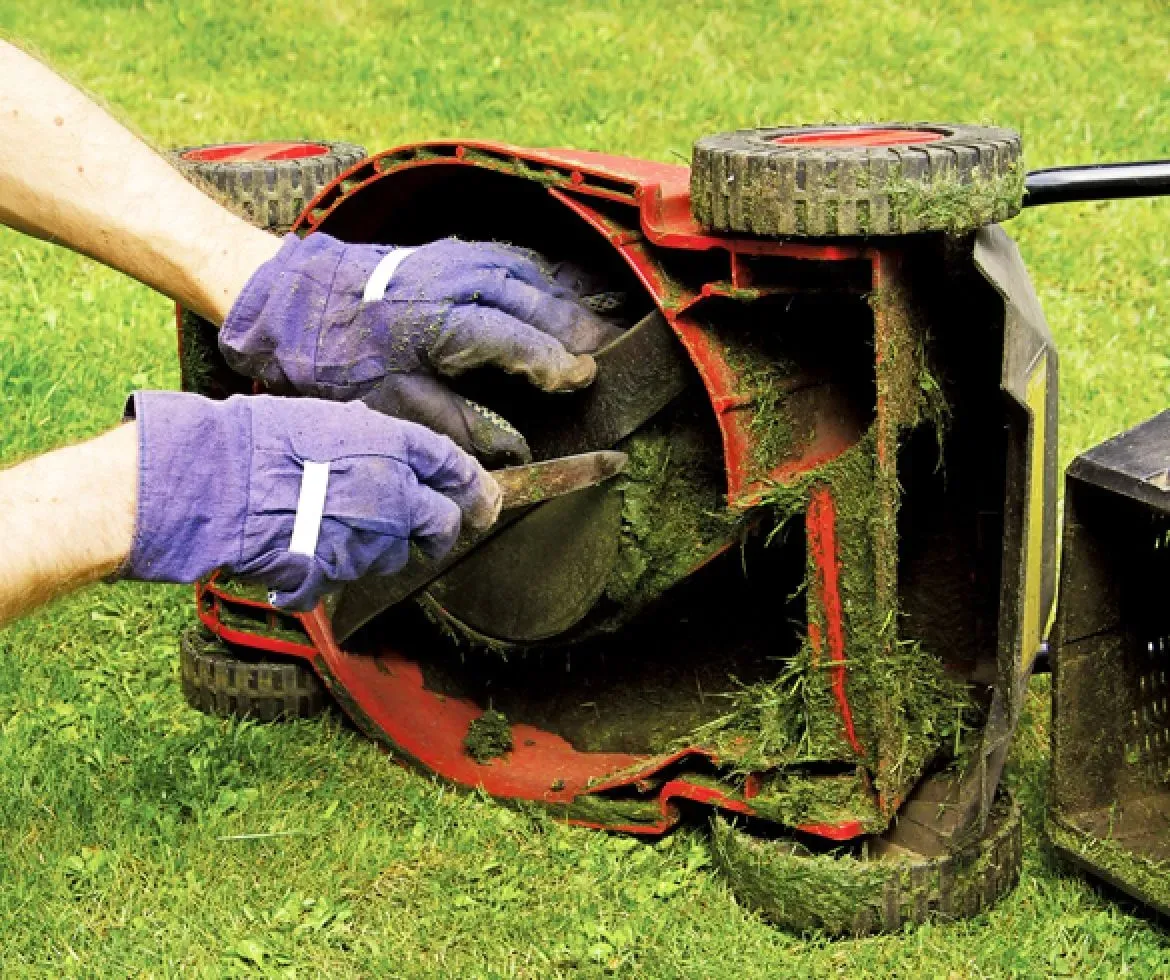
Removing the blade is the first physical step in how to change lawn mower blade. Start by tilting the mower on its side. Ensure the carburetor faces upward to prevent oil leaks. Use the wood block to jam the blade and prevent rotation. Spray penetrating oil on the bolt and let it sit for five minutes. Then use your socket wrench to turn the bolt counterclockwise. If it’s stuck, tap the wrench handle with a rubber mallet.
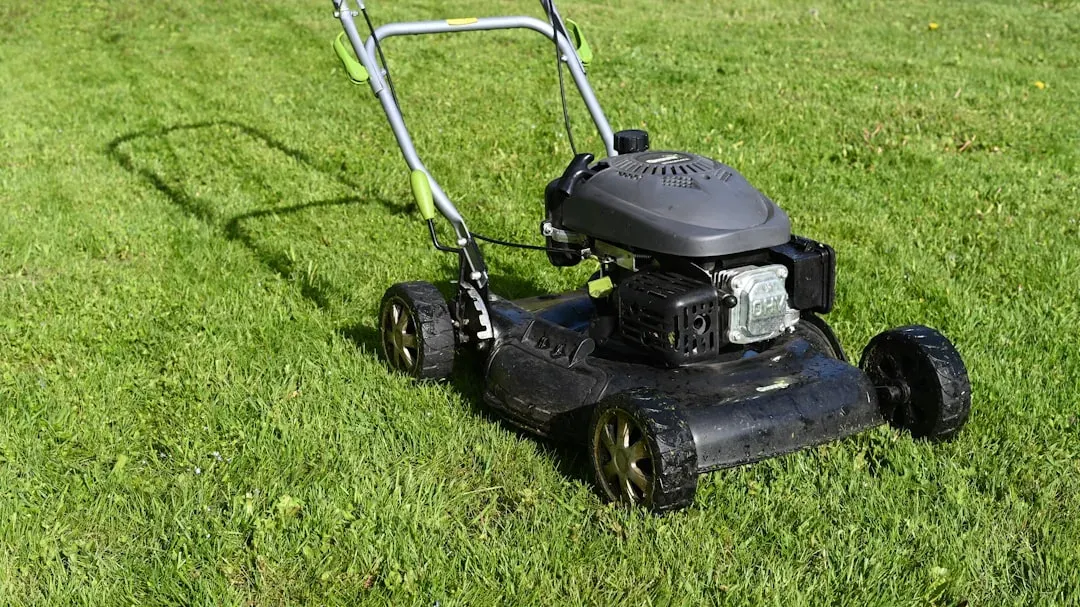
Once the bolt is loose, remove it completely and take off the blade. Note the orientation—some blades have a top and bottom. Mark the bottom side before removal. Clean the mounting area with a wire brush. Inspect the blade for cracks or excessive wear. If the blade is reusable, proceed to sharpen. Otherwise, discard it safely.
Safety Tips for Blade Removal
- Always disconnect the spark plug wire before tilting the mower.
- Use a blade removal tool to secure the blade.
- Wear cut-resistant gloves to avoid injury.
- Never use your hand to hold the blade—use a block of wood.
💡 Pro Tip
After sharpening, always check blade balance by hanging it on a nail. If one side dips, grind more on that side until it hangs level. An unbalanced blade causes vibration and damages the mower spindle.
How to Sharpen Lawn Mower Blade
Sharpening extends the life of your blade and saves money. To sharpen lawn mower blade, use a bench grinder, angle grinder, or hand file. Clamp the blade securely in a vise. Follow the original bevel angle, usually about 30 degrees. Make smooth passes without overheating the metal. Check for balance by hanging the blade on a nail. If one side drops, grind more on that side.
If you lack tools, many hardware stores offer professional sharpening services. Alternatively, purchase a new blade. Sharpening every 25 hours of use keeps cuts clean. Remember, a balanced blade reduces vibration and protects your mower’s spindle. For detailed starting procedures after maintenance, see our article on how do you start lawn mower.
⚠️ Important Note
Never use a blade that is cracked or severely bent. Discard it immediately. A damaged blade can break during operation and cause serious injury. Always replace with a blade that matches your mower model exactly.
Installing the New Blade Correctly
Install lawn mower blade with careful attention to orientation. The blade must have its cutting edge facing the direction of rotation. Typically, the flat side faces the ground. Align the center hole over the spindle. Insert the bolt and hand-tighten. Then torque to manufacturer specifications, usually 30-60 foot-pounds. Use a torque wrench to avoid under- or over-tightening.
After installation, reconnect the spark plug. Start the mower and listen for unusual noises. Test the cut on a small patch of grass. If the mower vibrates excessively, the blade may be unbalanced. Remove and re-check balance. Proper installation ensures safe and efficient operation.
Common Mistakes to Avoid
- Installing the blade upside down.
- Failing to tighten the bolt securely.
- Using a worn-out blade that cannot be sharpened.
- Ignoring blade balance after sharpening.
Lawn Mower Blade Maintenance Tips
Regular lawn mower blade maintenance prevents issues and prolongs blade life. Inspect blades monthly during the mowing season. Look for nicks, bends, or dull edges. Clean the blade after each use to remove grass clippings and dirt. Sharpen at the start of each season and again mid-season if needed. Store the mower in a dry place to prevent rust.
Consider having a spare blade on hand. This allows quick swaps when one blade dulls. Proper maintenance also includes checking the blade bolt torque periodically. Vibrations can loosen it over time. Following these steps ensures your mower always delivers a clean cut.
When to Replace Instead of Sharpen
Replace the blade if it is cracked, bent, or heavily worn. If the cutting edge is completely rounded, sharpening may not restore performance. Also replace if you notice unbalanced marks after balancing attempts. A new blade costs little compared to the health of your lawn.
Frequently Asked Questions
How often should I change my lawn mower blade?
Typically, change or sharpen the blade every 25 hours of use or at least once per season. If you hit rocks or thick debris, inspect sooner.
Can I sharpen a lawn mower blade without removing it?
It is not recommended. Removing the blade ensures a clean, even sharpening and allows you to check balance.
What is the correct torque for a lawn mower blade bolt?
Most mowers require 30 to 60 foot-pounds. Always check your owner’s manual for exact specs.
Why does my mower vibrate after changing the blade?
Vibration usually indicates an unbalanced blade. Remove and re-balance using a blade balancer or nail method.
Conclusion
Learning how to change lawn mower blade is a simple yet vital part of lawn care. Regular lawn mower blade replacement and lawn mower blade maintenance keep your grass healthy and your mower running smoothly. Always prioritize safety by disconnecting the spark plug and wearing gloves.
By following this guide, you can confidently remove, sharpen, and install blades yourself. This saves money and gives you greater control over your lawn’s appearance. Make blade care a regular part of your routine for the best results.