How Often to Mow Lawn
Learn how often to mow lawn for a healthy yard. Discover mowing frequency, best time to mow grass, seasonal tips, and a practical lawn mowing schedule.
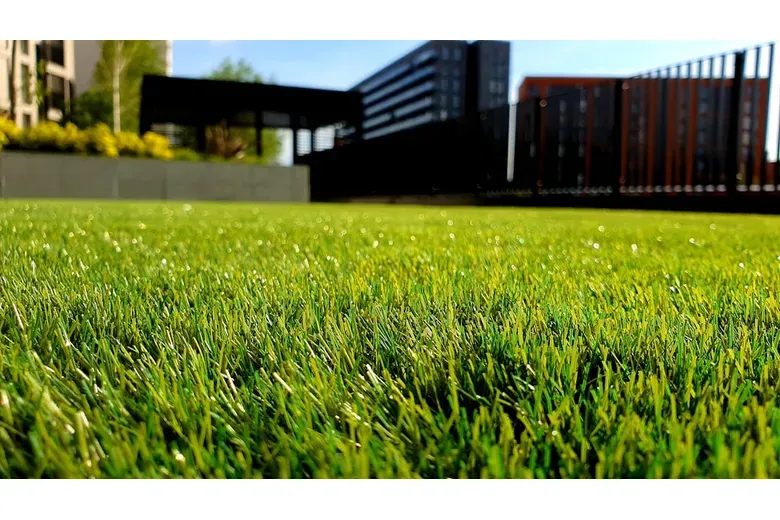
How often to mow lawn is a common question for homeowners. The answer depends on grass type, season, and growth rate. In this guide, we explain the ideal mowing frequency for a healthy, lush lawn. You will learn the best time to mow grass, seasonal mowing tips, and how to create a lawn mowing schedule that works for you. Follow these expert recommendations to avoid cutting too short or too infrequently.
Mowing at the right interval keeps your grass strong and reduces weeds. A consistent schedule also prevents stress from removing too much leaf at once. Remember, never cut more than one-third of the grass blade length in a single mow. This rule is key to maintaining root depth and drought tolerance.
Whether you have cool-season or warm-season grass, the principles remain similar. Adjust your mowing frequency based on weather, soil moisture, and fertilizer use. Let’s dive into the details so you can master how often to mow lawn for a picture-perfect yard.
Key Takeaways
- Main Point: Mow based on grass growth, not a fixed calendar. Typically, mow every 5–7 days during peak growing season.
- Actionable Advice: Follow the one-third rule: never remove more than one-third of the grass blade height in a single mowing.
- Best Choice/Practice: Adjust your mowing frequency seasonally—more often in spring and fall, less in summer drought or winter dormancy.
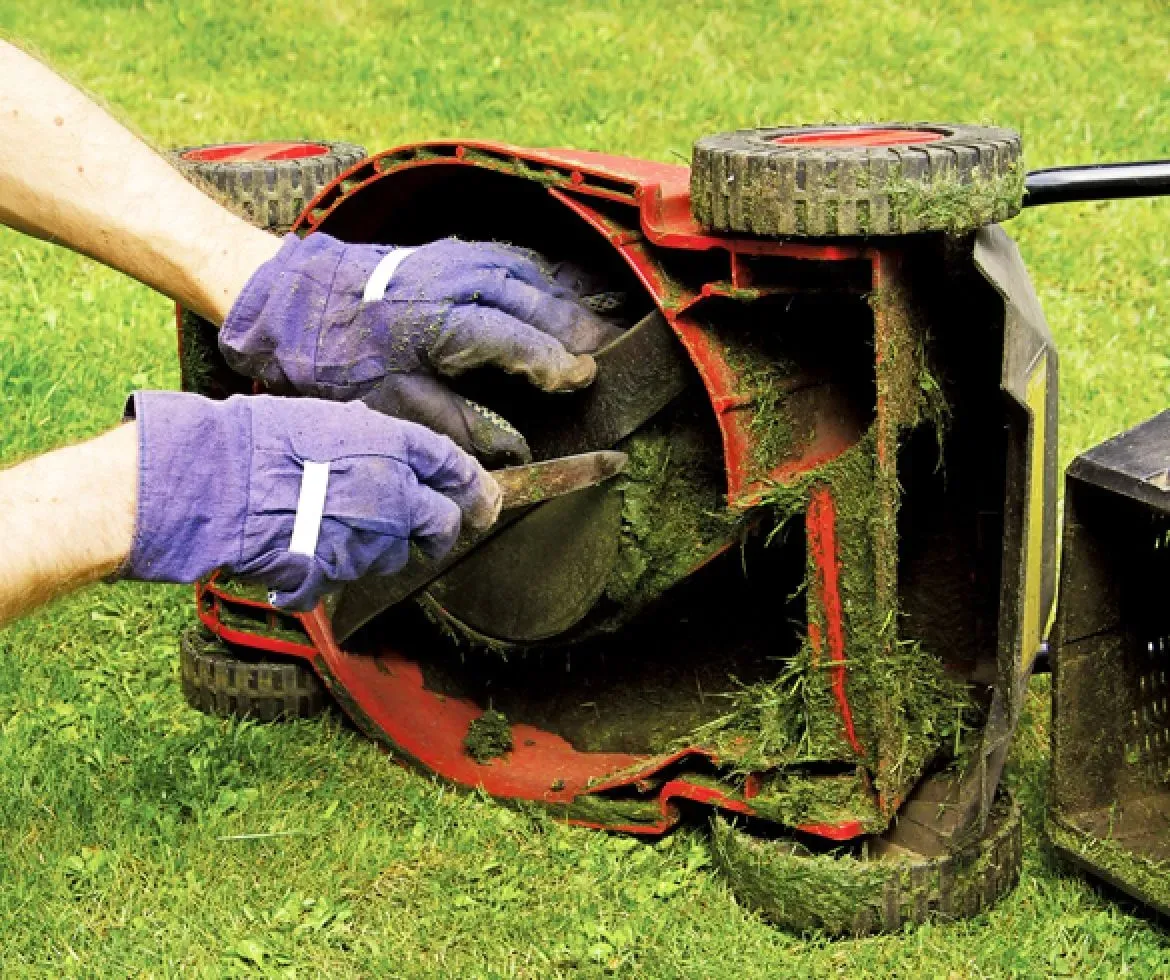
- Expert Insight: A sharp mower blade ensures clean cuts, reducing disease risk and improving lawn appearance.
- Summary: A flexible lawn mowing schedule based on growth rate and weather yields the healthiest turf.
Understanding Mowing Frequency
Mowing frequency is how often you cut your lawn. The right frequency depends on grass growth, which varies with temperature, sunlight, water, and nutrients. During rapid growth, you may need to mow twice a week. In slower periods, once every two weeks is fine. The key is to maintain consistent height, not strict days.
Different grasses have different growth rates. For example, Bermuda grass grows fast in summer and needs mowing every 5–6 days. Fescue slows in heat and may need only weekly mowing. Knowing your grass type helps set a base mowing frequency. Also, avoid cutting wet grass to prevent clumping and disease.
Best Time to Mow Grass
The best time to mow grass is mid-morning, after dew dries but before the afternoon heat. Mowing early gives grass time to recover before nightfall. Avoid mowing during the hottest part of the day to reduce stress. Also, never mow at dusk because wet grass overnight promotes fungus.
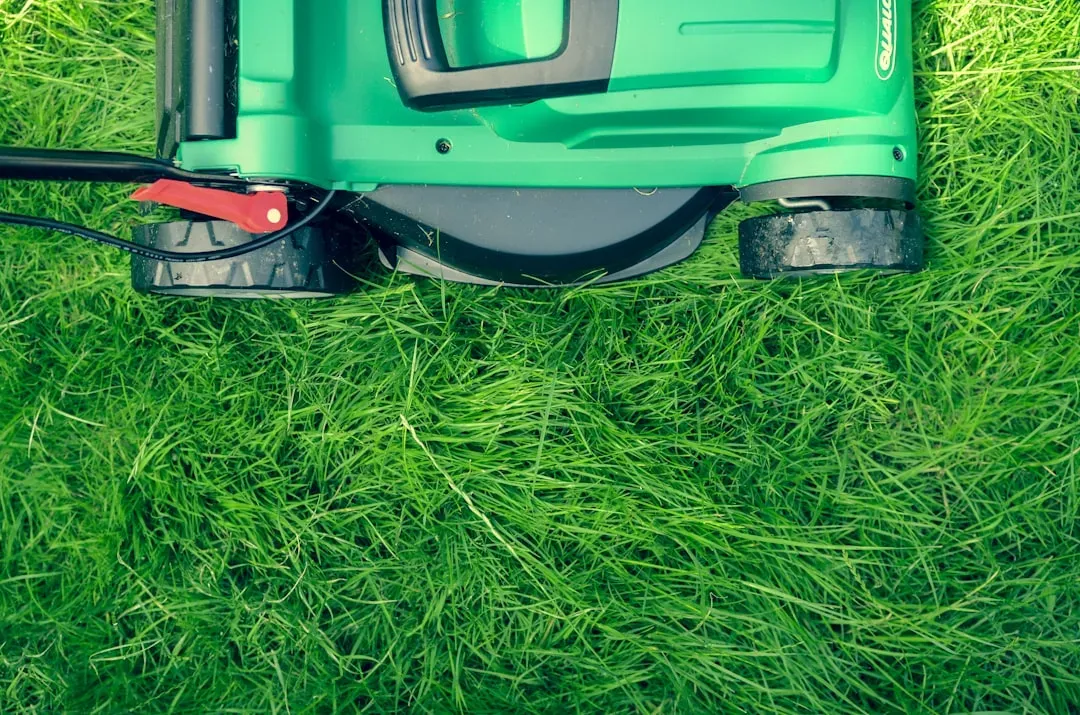
Seasonal timing also matters. In spring, grass grows fast, so mow more often. In summer, raise the mower height to shade soil and reduce water loss. In autumn, gradually lower height as growth slows. Always adjust your grass cutting intervals based on weather forecasts to avoid cutting before a heatwave.
💡 Pro Tip
Mow in a different direction each time to prevent grass from leaning and to encourage upright growth.
Seasonal Mowing Tips
Seasonal mowing tips help you adapt to changing conditions. In early spring, start mowing when grass is about 3 inches tall. Mow frequently to encourage thick growth. In summer, raise the blade 1 inch higher to protect roots from heat. Water deeply but less often to promote deep roots. In fall, gradually lower height to prevent snow mold. In winter, stop mowing once grass goes dormant.
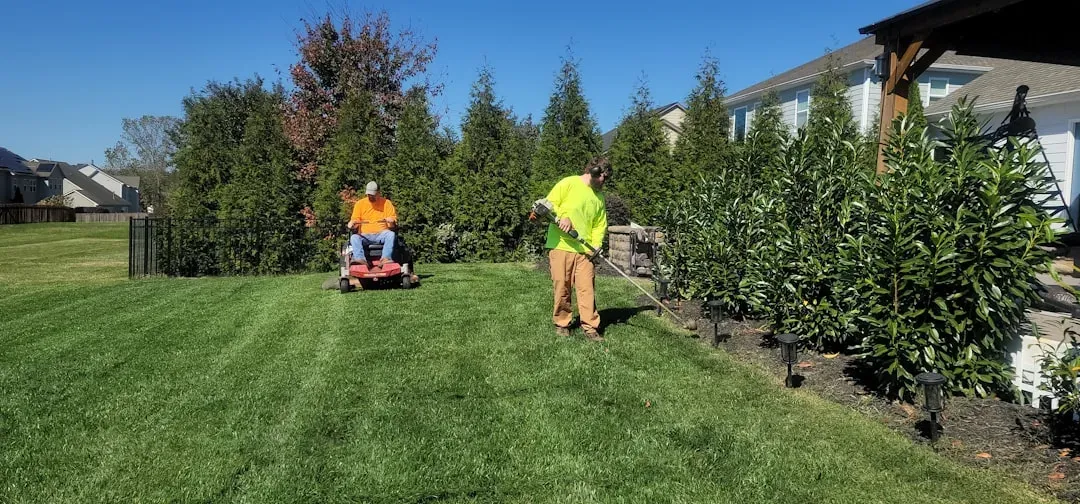
Each season requires a different lawn mowing schedule. Use a growth calendar to track when your grass reaches mowing height. For cool-season grasses, peak growth is spring and fall. For warm-season grasses, it’s summer. Adjust frequency accordingly. Always mow with sharp blades to avoid tearing.
⚠️ Important Note
Never mow when the grass is wet. Wet grass clumps, clogs the mower, and increases the risk of disease spread.
Factors That Affect Your Lawn Mowing Schedule
Several factors influence how often to mow lawn. Grass type is primary. Cool-season grasses like Kentucky bluegrass need more frequent mowing in spring and fall. Warm-season grasses like Zoysia need more in summer. Soil fertility and fertilizer use also accelerate growth. A high-nitrogen fertilizer increases cutting frequency. Watering frequency matters too—lawns watered often grow faster.
Weather plays a big role. Cool, cloudy weather slows growth; hot, sunny weather with rain boosts it. Shade reduces growth rate, so shaded lawns need less mowing. Elevation and microclimate also affect growth. Monitor your lawn weekly and mow when it reaches about one-third above your desired height.
Creating a Grass Cutting Intervals Plan
To create a plan, measure your grass height regularly. When it reaches 4–5 inches, mow to 3 inches (for most grasses). That typically means grass cutting intervals of 5–7 days in peak season. In cool weather, you may go 10–14 days. During drought, skip mowing until grass recovers. Use a mower with a sharp blade for clean cuts.
Also consider the scalp effect. If you miss a week and grass is tall, do not cut too short at once. Gradually lower height over multiple mowings. This reduces shock and keeps the lawn healthy. For more detailed techniques, read our guide on how to mow your lawn for better results.
Frequently Asked Questions
Can I mow my lawn every day?
No, mowing daily stresses grass. Only mow when grass has grown enough to remove one-third of its height. Daily mowing is never recommended.
What happens if I mow too infrequently?
If you mow too rarely, grass becomes tall and uneven. It can shade out lower leaves, leading to thin spots. Also, removing too much leaf at once shocks the lawn.
Should I mow before or after rain?
Mow after the grass dries from rain. Wet grass clumps and can cause disease. If rain is forecast, mow before if possible, but ensure grass is dry.
How short should I cut my lawn in summer?
Raise the mower blade 1 inch higher in summer to provide shade and reduce water loss. For cool-season grasses, keep height at 3–4 inches. For warm-season grasses, 2–3 inches works well.
Conclusion
Determining how often to mow lawn is not a one-size-fits-all answer. It requires observing your grass growth, adjusting for seasons, and following the one-third rule. A flexible lawn mowing schedule based on actual conditions leads to the healthiest turf. Remember to mow at the right time of day, use sharp blades, and never cut wet grass. For more advice on equipment, check out our guide on selecting a lawn mower. With these tips, you can maintain a vibrant, resilient lawn year-round.