How Often Should You Mow Your Lawn
Wondering how often should you mow your lawn? Our expert guide covers lawn mowing frequency, grass cutting schedule, best time to mow, mowing height, and seasonal lawn care tips for a lush, healthy yard.
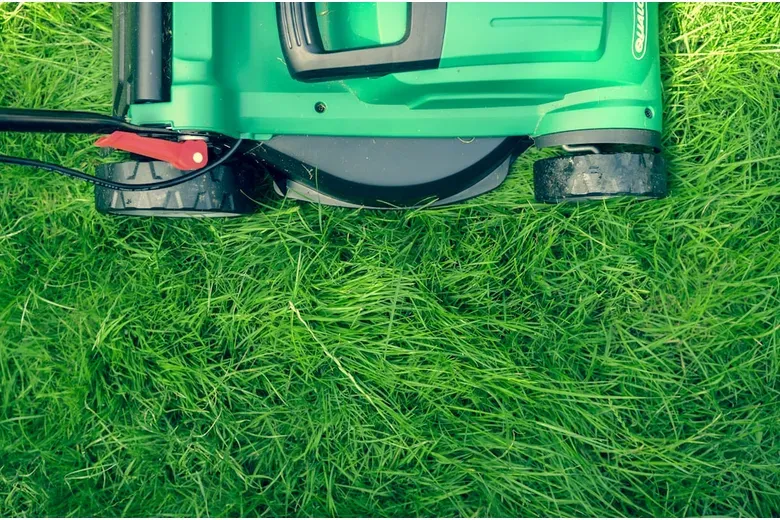
How often should you mow your lawn is a common question for homeowners. The answer depends on grass type, season, and growth rate. In this guide, we explain the ideal lawn mowing frequency for a healthy, lush yard.
Mowing too often can stress the grass, while mowing too rarely leads to overgrowth and weeds. Finding the right balance is key. We'll cover the best time to mow, proper mowing height, and seasonal adjustments.
By following these proven tips, you'll maintain a beautiful lawn all year round. Let's dive into the details.
Key Takeaways
- Main Point: The ideal lawn mowing frequency is once a week during peak growing seasons, adjusting based on grass growth rate.
- Actionable Advice: Follow the one-third rule: never cut more than one-third of the grass blade height at a time.
- Best Choice/Practice: Mow in the late morning or early evening to avoid heat stress and allow grass to recover.
- Expert Insight: Cool-season grasses need more frequent mowing in spring and fall, while warm-season grasses grow fastest in summer.
- Summary: A consistent grass cutting schedule tailored to your grass type and season is the secret to a healthy lawn.
Understanding Lawn Mowing Frequency
Lawn mowing frequency varies by grass type. Cool-season grasses like Kentucky bluegrass grow fastest in spring and fall, needing mowing every 5 to 7 days. Warm-season grasses like Bermuda grass thrive in summer, requiring mowing every 4 to 6 days.
Growth rate also depends on factors like rainfall, fertilizer, and soil health. During drought or heat stress, grass growth slows down, so you can mow less often. The key is to mow based on how much the grass has grown, not on a fixed calendar schedule.
The golden rule: never remove more than one-third of the leaf blade in a single mowing. If you let grass get too tall, you'll shock the plant and create a patchy lawn. For more tips on effective mowing techniques, check out our article on How to Mow Your Lawn for Better Results.
Here's a quick comparison of typical mowing frequencies:
Grass Cutting Schedule by Season
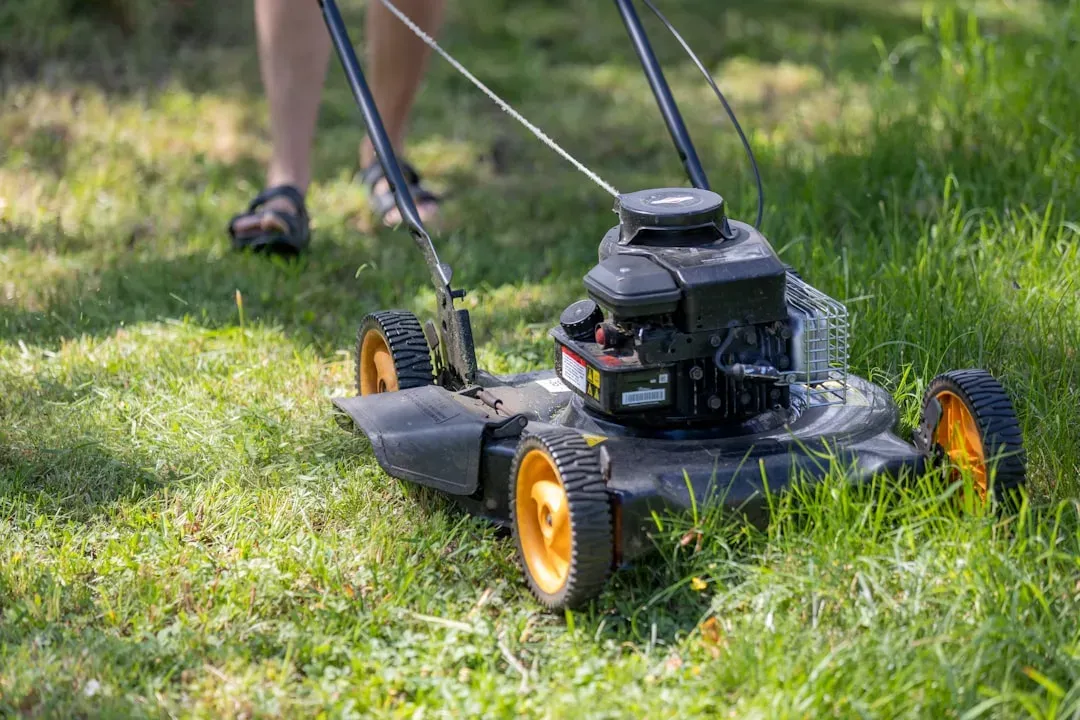
Your grass cutting schedule should change with the seasons. In spring, grass grows rapidly due to ample rain and cooler temperatures. Mow every 5 to 6 days during this peak period. As summer heat arrives, growth slows, especially for cool-season lawns. Extend intervals to 7 to 10 days.
In fall, cool-season grasses experience a second growth surge, so resume weekly mowing. For warm-season grasses, summer is their prime — mow every 4 to 5 days. During winter dormancy, both types need little to no mowing. Always adjust based on grass height, not the calendar.
Consider these seasonal factors:
- Spring: Frequent mowing (5-6 days) to keep up with growth.
- Summer: Mow less for cool-season (7-10 days); more for warm-season (4-5 days).
- Fall: Resume weekly mowing for cool-season; reduce for warm-season.
- Winter: Only mow if grass is still actively growing in mild climates.
Also, avoid mowing when grass is wet from rain or dew — it clumps and can spread disease. For more on choosing the right equipment, see our How to Select a Lawn Mower for Your Yard – Buying Guide.
💡 Pro Tip
To reduce mowing frequency, set your mower blade at the highest recommended height for your grass type. Taller grass shades the soil, reducing water evaporation and weed growth.
Best Time to Mow Your Lawn
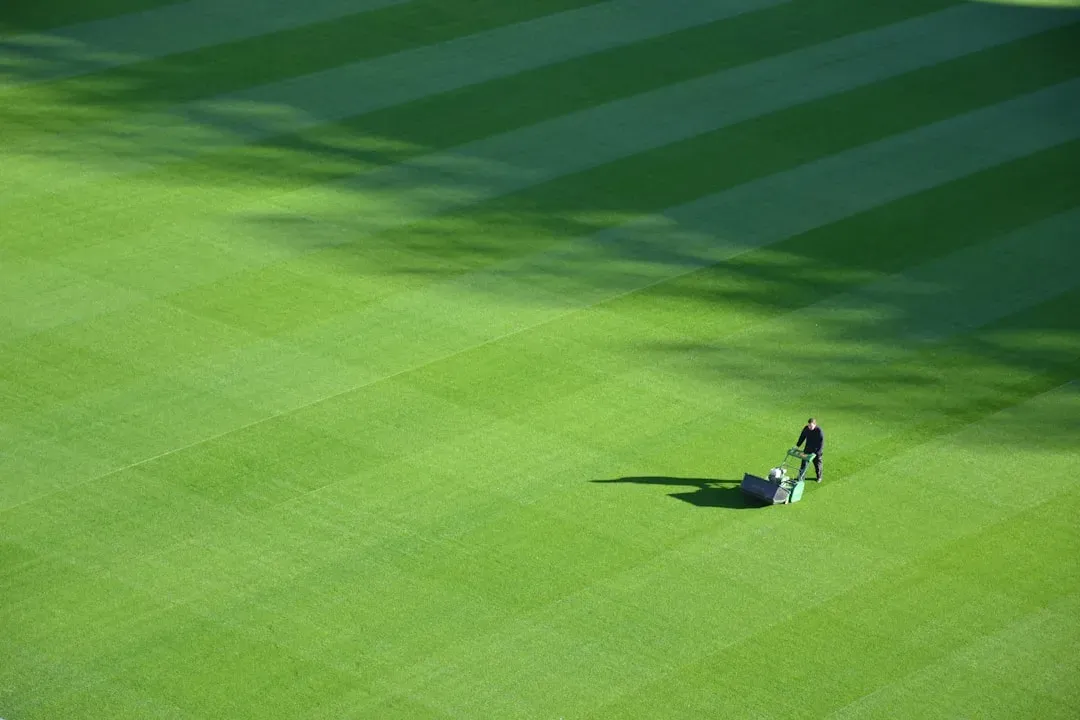
The best time to mow is late morning or early evening, after dew has dried but before the hottest part of the day. Mowing in the heat of midday can stress grass and cause browning. Early morning dew makes mowing messy and can encourage fungal diseases.
If you must mow in the afternoon, water the lawn the night before so grass is hydrated. Also, keep mower blades sharp — dull blades tear grass, leaving it vulnerable to disease. A clean cut promotes faster recovery.
Key timing tips:
- Aim for mid-morning (8-10 AM) or late afternoon (4-6 PM).
- Never mow when grass is wet.
- Mow on dry, overcast days if possible.
- Adjust mowing height higher during hot, dry spells to shade the soil.
⚠️ Important Note
Never mow more than one-third of the grass blade length in a single session. Cutting too short scalps the lawn, weakens roots, and invites weeds and disease.
Mowing Height and Its Impact
Mowing height is critical for a healthy lawn. Taller grass develops deeper roots, shades out weeds, and retains moisture. For most grass types, the ideal mowing height is between 2½ and 3½ inches. Cut lower in early spring, but never scalp the lawn.
The one-third rule also applies here: if your grass is 4 inches tall, cut it to no less than 3 inches. Following this prevents shock. During drought, raise the mower deck to leave grass longer — this conserves water and reduces stress.
Different grass types have different optimal heights:
- Bermuda grass: 1 to 2 inches
- Kentucky bluegrass: 2½ to 3½ inches
- Fescue: 3 to 4 inches
- St. Augustine grass: 3 to 4 inches
Seasonal Lawn Care for Optimal Growth
Seasonal lawn care goes hand in hand with mowing. In spring, start with a low mowing height to remove dead grass and encourage new growth. Apply a balanced fertilizer a few weeks after the last frost. In summer, water deeply but infrequently — about 1 inch per week.
Fall is the most important season for cool-season lawns: aerate, overseed, and fertilize. For warm-season lawns, reduce water and stop fertilizing as temperatures drop. Winter care involves keeping the lawn clean of debris and avoiding walking on frozen grass.
Consistent mowing at the right height and frequency, combined with proper watering and feeding, results in a thick, green lawn that resists weeds and disease. Always sharpen your mower blades at least once a season to ensure clean cuts.
Frequently Asked Questions
How often should I mow my lawn in summer?
For warm-season grasses, mow every 4 to 6 days. For cool-season grasses, extend to 7 to 10 days during heat stress. Always follow the one-third rule.
Does frequent mowing thicken grass?
Yes, regular mowing at the proper height encourages lateral growth and denser turf. Mowing too low, however, thins the lawn.
Should I mow my lawn before or after rain?
Mow after the grass has dried completely. Mowing wet grass leads to clumping and disease. If rain is forecast, mow before or wait until the lawn is dry.
Can I mow my lawn every day?
No, mowing daily can stress the grass severely. Only mow as needed based on growth, typically once a week during peak seasons.
Conclusion
Knowing how often should you mow your lawn is essential for a vibrant yard. The answer depends on your grass type, season, and growth rate. Stick to a flexible schedule that follows the one-third rule and adjusts for weather.
By applying the tips in this guide — choosing the right mowing height, timing your cuts wisely, and adapting to seasons — you'll achieve a healthy, beautiful lawn. Remember to keep your mower sharp and always prioritize the health of the grass. Happy mowing!