How a Lawn Mower Engine Works Explained Simply
Learn how a lawn mower engine works with a simple breakdown of lawn mower engine parts, the carburetor function, ignition system, and air filter. Easy troubleshooting tips included.
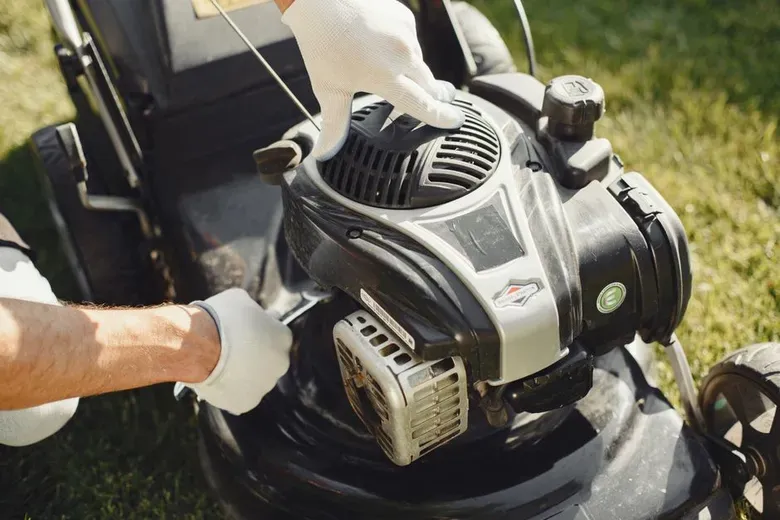
Understanding how a lawn mower engine works can transform the way you maintain your equipment and troubleshoot problems. This straightforward guide breaks down each component of lawn mower engine parts and explains how they work together to power your machine. Whether you are a new homeowner or a seasoned gardener, learning the basics will help you keep your outdoor tools running reliably season after season.
At its core, how a small engine works is a cycle of controlled explosions that turn rotational energy into motion. Air and fuel mix in the carburetor function, the mixture is ignited by the ignition system, and the resulting force pushes a piston down. This motion is transferred through connecting rods and crankshafts, ultimately spinning the blades that cut your grass. Breaking this process into intake, compression, power, and exhaust stages makes the concept easy to grasp without needing an engineering degree.The Four Main Stages of Combustion
Every cycle inside a lawn mower engine parts system follows the same four stages. Understanding these stages helps you see why each component matters and how a tiny spark can keep your yard looking tidy.
Intake Stage
During the intake phase, the piston moves down and creates a vacuum that pulls in a fresh mix of air and fuel. The air filter plays a crucial role here by removing dust and debris before the mixture enters. Clean air leads to better combustion and less wear on internal components over time.

Compression Stage
Next, the piston moves back up, squeezing the air-fuel mixture into a smaller space. Compression increases the mixture’s temperature and pressure, making the upcoming explosion more powerful. The tighter the seal, the more efficiently the engine converts fuel into motion, which is why worn piston rings or valves reduce performance.
Power Stage
When the piston reaches the top of the compression stroke, the ignition system fires a spark plug. This spark ignites the compressed mixture, causing a rapid expansion of gases. The force of this explosion drives the piston downward, turning the crankshaft and generating the mechanical energy that runs your mower. Consistent maintenance of the spark plug and ignition components ensures this step happens smoothly every time.
Exhaust Stage
After the power stroke, the piston moves back up again, pushing spent gases out through the exhaust port. A properly tuned exhaust system prevents backpressure, which can sap power and increase heat. Keeping mufflers and related passages clean helps the engine breathe easier and run cooler.
Key Components and Their Roles
Several critical components work behind the scenes to turn simple movements into reliable cutting power. Familiarizing yourself with these parts makes routine troubleshooting and basic maintenance much easier.
- Crankshaft: Converts the up-and-down motion of the piston into rotational force.
- Connecting Rod: Links the piston to the crankshaft, transferring force smoothly.
- Piston: Seals the combustion chamber and moves under pressure from explosions.
- Valves: Control airflow in and exhaust out at the right moments in the cycle.
- Flywheel: Stores rotational energy and helps keep the engine running smoothly.
- Governing Mechanism: Regulates engine speed based on load and operator input.
How the Carburetor Function Supports Combustion
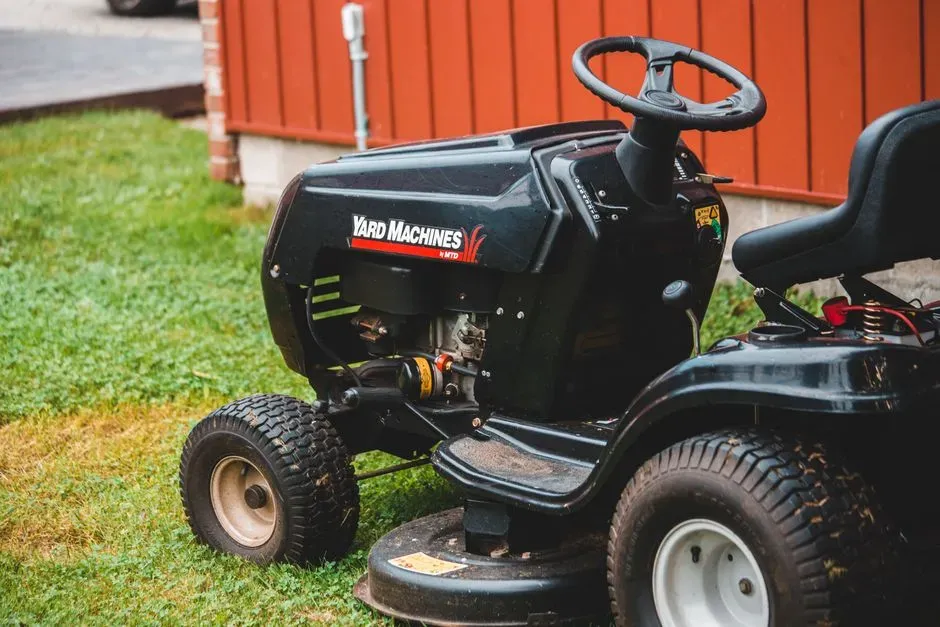
The carburetor function is to mix air and fuel in the precise ratio needed for clean burning. It meters fuel, atomizes it into tiny droplets, and blends it with incoming air. When this balance is off, you might notice hard starting, rough idling, or loss of power. Adjustments and occasional cleaning keep the mixture optimized for different temperatures and altitudes.
Why the Ignition System Matters
At the heart of the ignition system is the spark plug, which must create a reliable spark at exactly the right moment. Modern mowers often use magnetos or battery-powered systems to generate this spark. Worn electrodes, incorrect gaps, or moisture can lead to misfires, so checking the spark plug periodically is a simple yet effective maintenance habit.
The Importance of the Air Filter
One of the simplest yet most impactful lawn mower engine parts is the air filter. It stops dirt and grass particles from entering the carburetor and cylinders. A clogged filter restricts airflow, causing the engine to run lean, overheat, or struggle under load. Inspecting and replacing or cleaning the filter according to the schedule in your manual preserves performance and longevity.
Troubleshooting Common Issues
Even with a basic understanding of how a small engine works, you can solve many problems without professional help. Common symptoms such as hard starting, stalling, or low power often trace back to a few typical causes:
- Dirty air filter restricting airflow
- Old fuel that has gone stale or gummy
- Worn spark plug or incorrect gap
- Loose or damaged connections in the ignition system
- Clogged fuel lines or a failing carburetor function
Systematically checking each component helps you isolate the issue. Replacing simple parts like the air filter or spark plug can often restore full power, saving you time and the cost of repairs.
Routine Maintenance for Long Life
Regular care is the best way to ensure your mower starts every time you need it. Simple habits add up over the life of the machine:
- Change the oil at recommended intervals to keep internal parts lubricated.
- Sharpen or replace blades to reduce strain on the engine.
- Clean or replace the air filter at least once per season.
- Use fresh fuel and consider a stabilizer for machines stored for months.
- Inspect the ignition system and lawn mower engine parts for wear before peak seasons.
By following these steps, you reduce the risk of breakdowns and extend the life of your equipment, ensuring it is ready when the grass needs cutting.
Frequently Asked Questions
How does the ignition system start the engine?
The ignition system creates a spark at the spark plug when the engine is turned, igniting the air-fuel mixture. This controlled explosion pushes the piston down and begins the power cycle that drives the mower.
What role does the air filter play in how a small engine works?
The air filter removes dust and debris from incoming air, protecting sensitive lawn mower engine parts. A clean filter ensures proper airflow, which is essential for smooth combustion and efficient operation.
Why is the carburetor function important for engine performance?
The carburetor function mixes air and fuel in the correct ratio. When this mixture is off, the engine may run poorly, lose power, or be difficult to start. Keeping the carburetor clean and adjusted maintains reliable performance.
How often should I check the ignition system and spark plug?
Inspect the ignition system and spark plug at least once per mowing season, or more often in dusty conditions. Regular checks help prevent hard starting and ensure consistent power throughout each use.