Why Regular Lawn Mowing Helps Grass Grow Healthier
Discover how consistent lawn mowing frequency and proper grass height maintenance boost healthy lawn growth. Learn key lawn care tips and mowing best practices for a vibrant yard.
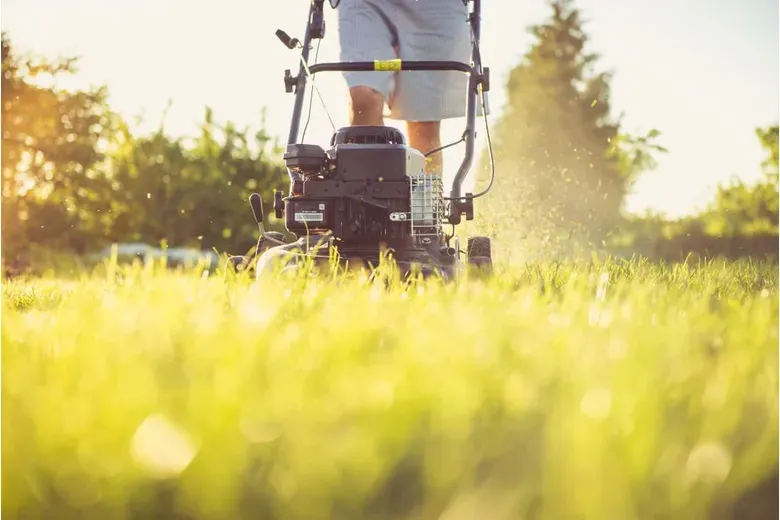
Many homeowners view lawn mowing as a routine chore, yet understanding the biological impact of each cut reveals how this simple act supports a thriving landscape. When performed with attention to timing, height, and frequency, mowing strengthens the root system, improves nutrient uptake, and encourages dense growth that naturally resists weeds and pests. By aligning your approach with the principles of healthy lawn growth, you transform a basic maintenance task into a powerful strategy for long-term lawn vitality.
How Mowing Stimulates Grass Growth at the Cellular Level
At the core of healthy lawn growth is the grass plant’s ability to photosynthesize efficiently. When you follow lawn mowing best practices, you encourage the plant to produce more tillers and roots rather than investing energy in vertical elongation. Each cut removes the tip of the blade, which removes the hormone that suppresses branching, prompting the grass to split near the base and create new shoots. This natural response leads to a denser turf that crowds out invaders and recovers quickly from stress. Consistent lawn mowing frequency ensures that the plant never has to rebuild from a large loss of leaf tissue, keeping energy focused on steady, resilient development.
The Critical Role of Grass Height Maintenance
Maintaining an optimal grass height maintenance range is essential because the length of the blade directly affects how much sunlight the plant can capture. Grass uses sunlight to produce sugars that fuel root expansion and new leaf production. If you cut too little, the upper leaves shade the lower layers, causing them to weaken and die. If you cut too much, you remove too much photosynthetic tissue, forcing the plant to dip into stored reserves and slowing healthy lawn growth. By adhering to recommended lawn mowing best practices, such as never removing more than one-third of the blade at a time, you protect the plant’s energy reserves and support continuous renewal.
The Connection Between Mowing Frequency and Root Strength
A robust root system is the foundation of any resilient lawn, and lawn mowing frequency plays a pivotal role in its development. Regular, light trims encourage roots to explore the upper soil layers for moisture and nutrients, because the plant knows it will consistently regrow its tops. In contrast, infrequent mowing often leads to scalping, which stresses the plant and pushes roots into a survival mode that prioritizes immediate moisture over long-term stability. When you pair consistent frequency with grass height maintenance, you create an environment where roots grow evenly and can better withstand drought, heat, and heavy foot traffic.
Seasonal Adjustments to Support Healthy Lawn Growth
As temperatures and daylight shift through the year, your approach to lawn mowing best practices should adapt to meet the grass’s changing needs. During peak growth in warmer months, more frequent mowing may be necessary to keep up with rapid leaf production while still respecting the one-third rule. In cooler seasons, you can reduce lawn mowing frequency because growth slows, allowing the plant time to store energy for spring. These adjustments ensure that the plant always has enough leaf surface to recover quickly after each cut, reinforcing healthy lawn growth across all seasons.
Common Mistakes That Undermine Healthy Lawn Growth
Even with the best intentions, certain habits can counteract the benefits of regular mowing. Mowing with dull blades tears the grass rather than slicing it cleanly, leaving jagged edges that turn brown and invite disease. Scalping, or cutting too low, removes the protective crown and forces the plant to divert energy to recovery instead of growth. Ignoring lawn care tips such as varying your mowing pattern can also lead to soil compaction and uneven wear patterns. By recognizing and correcting these errors, you align your routine more closely with effective lawn mowing best practices and protect the long-term vitality of your turf.
Advanced Lawn Care Tips to Maximize Results
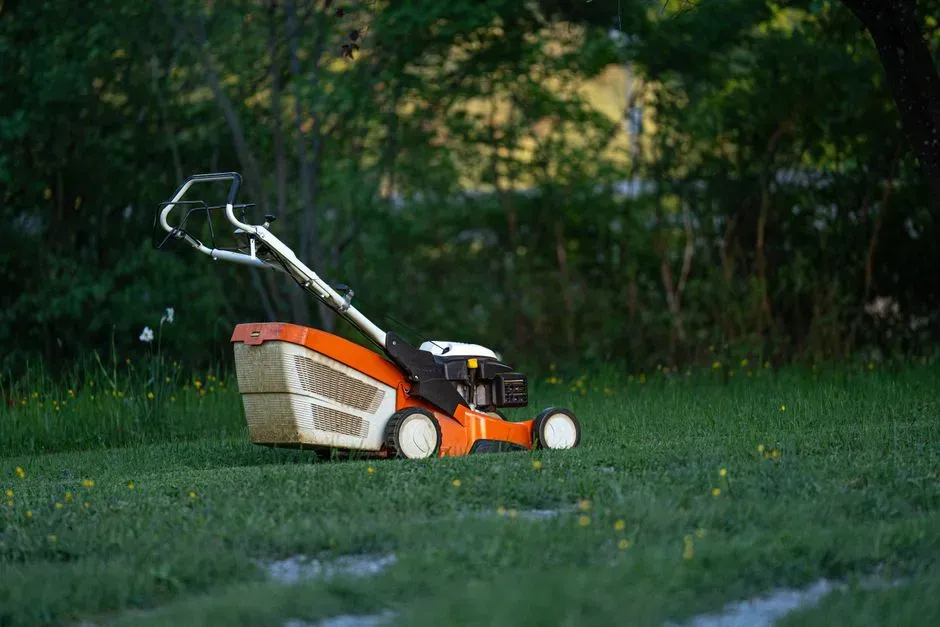
To get the most from your mowing routine, integrate these advanced lawn care tips that work in harmony with natural growth cycles. First, vary your path each time you mow to prevent ruts and encourage upright growth. Second, leave finely chopped clippings on the lawn, as they decompose quickly and return valuable nutrients to the soil, reducing the need for additional fertilizers. Third, time your mowing for mid-morning when the dew has dried but the heat is not at its peak, minimizing stress on the grass. Finally, keep your blades sharp and clean to ensure precise cuts that heal rapidly, a key component of consistent lawn mowing frequency and grass height maintenance.
When to Seek Professional Guidance
While many homeowners successfully manage their own lawns, certain situations may benefit from expert insight. If you notice persistent thinning, disease, or uneven growth despite following lawn mowing best practices, consulting a local lawn care professional can help identify underlying issues such as soil compaction, nutrient deficiencies, or improper irrigation. Additionally, if your schedule makes it difficult to maintain an appropriate lawn mowing frequency, a tailored plan can ensure that your grass receives the care it needs without becoming a burden on your time. Combining professional advice with your own observations is one of the most effective lawn care tips for achieving a consistently lush yard.
Frequently Asked Questions
How often should I mow to support healthy lawn growth?
During active growth periods, aim to mow once a week or as needed to remove no more than one-third of the blade, which helps maintain grass height maintenance and supports continuous healthy lawn growth. Adjust lawn mowing frequency based on weather, season, and grass type to avoid stressing the plant.
What height should I set my mower for optimal grass height maintenance?
Set your mower so that you are cutting at the upper end of the recommended range for your grass species, generally around two and a half to three inches for many cool- and warm-season types. This grass height maintenance protects the crown, shades the soil, and encourages deeper roots, all key elements of lawn mowing best practices.
Can changing my mowing pattern improve lawn health?
Yes, varying your mowing pattern reduces soil compaction and prevents ruts, allowing air, water, and nutrients to reach the roots more easily. This simple adjustment complements other lawn care tips and reinforces the benefits of consistent lawn mowing frequency and grass height maintenance.
What should I do if I miss a mowing window and the grass gets too long?
If growth gets ahead, raise your mower deck and remove no more than one-third of the height in the first cut, then lower it slightly on a second pass a few days later. This approach protects the plant from shock and preserves the gains of regular lawn mowing best practices without setting back healthy lawn growth.