Why Lawn Mower Deck Cleaning Matters
Discover why lawn mower deck cleaning is essential for preventing rust, improving cut quality, and extending equipment life. Learn step-by-step maintenance tips.

Keeping your outdoor power equipment in top condition starts with one often overlooked task, lawn mower deck cleaning. Many homeowners focus on sharpening blades or changing oil, but the underside of the deck plays a critical role in the overall health of your lawn and the machine. A clean deck prevents disease, ensures an even cut, and protects the metal from damaging corrosion. By making this a regular part of your lawn care maintenance routine, you safeguard your investment and promote a thriving, beautiful yard.
A lawn mower deck is more than just a housing; it is a precision cutting environment. As the blade spins, it creates a powerful airflow that lifts and propels grass upward. If grass clippings buildup and organic matter sit under the deck, they create a humid, compacted environment perfect for disease and pests. Removing this debris after each use prevents staining your lawn and reduces the stress on the machine's vital components.
The Hidden Dangers of a Dirty Deck
Ignoring deck maintenance leads to a host of problems that affect both the machine and the quality of your cut. A dirty deck is a breeding ground for rust and corrosion, especially in climates with high humidity or during wet seasons. Addressing deck corrosion prevention early saves you from costly repairs or premature replacement. Understanding rust removal tips helps you tackle minor issues before they compromise the structural integrity of the housing.
Impact on Cut Quality
When clippings accumulate, they create an uneven surface that interferes with the blade’s flight pattern. This results in torn grass rather than a clean cut, leaving your lawn looking brown and ragged. A clean deck allows for optimal mower performance optimization, ensuring that each pass delivers a smooth, professional finish. You will notice thicker, greener grass that recovers quickly from mowing stress.
Mechanical Stress and Wear
The weight of wet debris adds significant strain to the engine and wheels. This extra load forces the engine to work harder, reducing its lifespan and increasing fuel consumption. By committing to regular cleaning, you relieve this stress and keep the machine running smoothly. Treating the deck also protects the surrounding components, such as the spindles and belts, from premature wear.

Step-by-Step Cleaning Process
Effective cleaning requires the right approach and tools. You should perform a basic cleanup after every mowing session, with a deep clean scheduled monthly or as needed. The goal is to remove caked-on grass and moisture without causing damage to the paint or metal. Following a systematic process ensures that you cover every corner of the housing.
Preparation and Safety
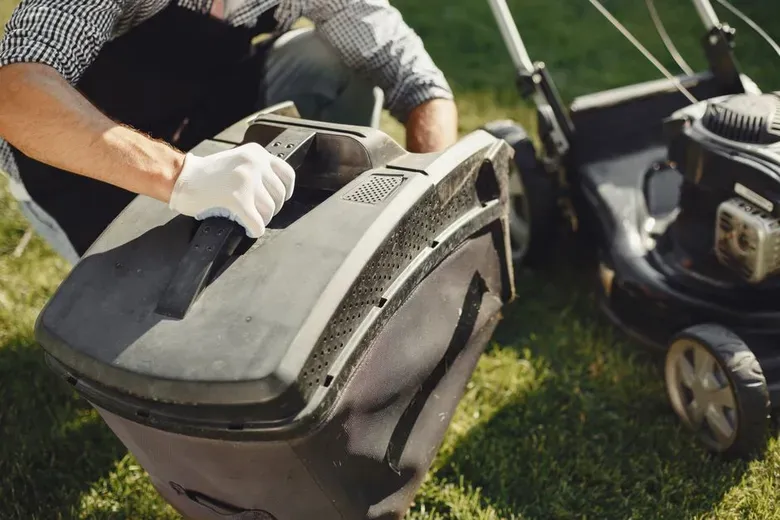
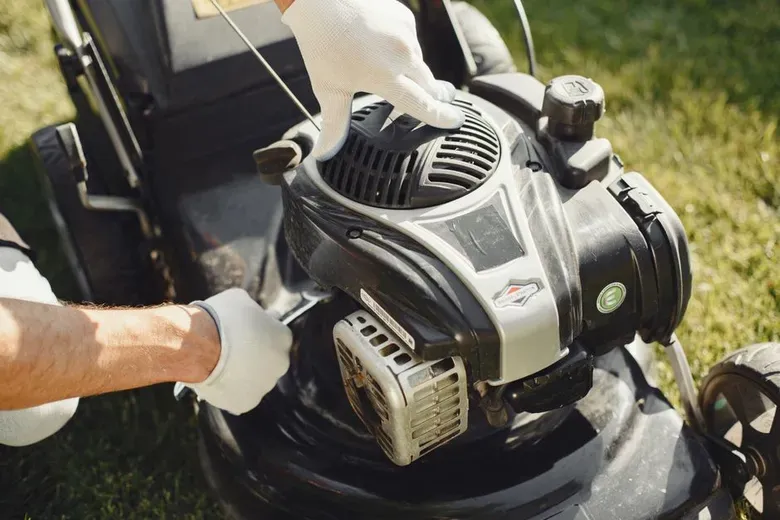
Safety is paramount before you begin. Always disconnect the spark plug wire to prevent accidental starts. Wear gloves to protect your hands from sharp edges and harsh cleaning agents. Position the machine on a stable surface, such as a driveway or workbench, to access the underside comfortably. Never tilt the mower on its side if the air filter is exposed, as oil can leak into the carburetor.
Tools You Will Need
- Garden hose with a high-pressure nozzle
- Stiff-bristled brush or plastic scraper
- Biodegradable degreaser or mild soap
- Steel wool or wire brush (for rust spots)
- Shop rag or old towels
- Waterproof lubricant
Step-by-Step Instructions
- Rinse off loose debris: Use the hose to wash away loose grass and dirt from the top and sides.
- Apply degreaser: Spray the interior of the deck with a degreaser to break down grass clippings buildup. Let it sit for 5–10 minutes to loosen the grime.
- Scrub thoroughly: Use the brush to scrub the sides and bottom, paying close attention to corners and discharge chutes. For stubborn spots, gently use steel wool along with your rust removal tips to prevent scratching.
- Rinse completely: Wash away all soap and residue. Ensure no cleaner remains, as acidic residues can cause deck corrosion prevention to fail over time.
- Dry the deck: Use towels to dry the surface or let it air dry in the sun. Moisture is the enemy of metal, so eliminating it is crucial.
- Inspect and lubricate: Check for any signs of damage or thin spots in the paint. Apply a thin layer of waterproof lubricant to exposed bolts to prevent rust.
Seasonal Maintenance Tips
Beyond immediate cleanup, integrating deck care into your broader lawn care maintenance schedule extends the life of your equipment. Spring is the ideal time to inspect for winter damage and apply a coat of paint to seal the metal. In the fall, focus on removing the last of the season's clippings to prevent them from sitting under the deck all winter. Consistent attention makes rust removal tips less necessary and keeps the machine ready for action.

Signs You Need to Clean or Repair
Even with regular care, specific signs indicate that your deck requires immediate attention. Being aware of these symptoms allows you to act quickly and prevent minor issues from becoming major repairs. Look for the following signals during your routine checks.
Visual and Auditory Clues
- Rust spots: Orange or reddish patches on the metal are a clear sign that deck corrosion prevention has failed. Address these immediately with rust removal tips to save the structure.
- Vibrations: If the mower shakes excessively, clippings may be stuck to the blade or housing, throwing off the balance. A thorough cleaning usually resolves this.
- Unusual noises: Grinding or scraping sounds often indicate that debris is caught in the blade pulley or housing components.
Environmental and Long-Term Benefits
Proper deck cleaning benefits more than just your machine; it positively impacts your lawn and the environment. A clean deck reduces the need for chemical fertilizers by improving grass health. It also prevents the spread of lawn diseases, which can travel from infected clippings to healthy grass. Investing time in mower performance optimization contributes to a sustainable and eco-friendly yard care practice.
Furthermore, a well-maintained deck retains its resale value. If you ever decide to upgrade your equipment, a clean and rust-free housing is a strong selling point. By documenting your lawn care maintenance efforts, you demonstrate that the machine has been cared for meticulously. This attention to detail appeals to potential buyers and ensures you get the most out of your purchase.
Frequently Asked Questions
How often should I clean my mower deck?
You should remove visible clippings after every use. A deep clean with fresh water and a brush is recommended at least once a month during active mowing season to prevent grass clippings buildup and ensure optimal mower performance optimization.
Is it safe to use a pressure washer on the deck?
Yes, but with caution. A low-pressure setting is effective for rinsing without bending panels or damaging seals. Avoid high pressure directly on bearings or the spindle housing, as this can force water into areas where deck corrosion prevention measures are critical.
What should I do if I find rust on the deck?
Start by using rust removal tips such as scrubbing with steel wool and applying a rust-inhibiting primer. If the corrosion is severe, you may need to patch the area or consult a professional. Prioritize deck corrosion prevention by keeping the metal dry and applying protective coatings seasonally.
Can cleaning the deck improve my lawn's appearance?
Absolutely. A clean deck ensures a clean cut. When the housing is free of buildup, the blade slices through grass cleanly, reducing disease and stress on the plant. This results in a lush, even lawn that is the direct result of proper lawn care maintenance.