How Mulching Mows Grass Differently
Learn how mulching mows grass differently by finely chopping clippings, accelerating grass clippings decomposition, and boosting lawn mulching benefits like soil moisture retention and organic lawn care.

Mulching mows grass in a fundamentally different way than standard collection or side-discharge mowing by finely chopping clippings and returning them to the turf, turning each cutting event into a natural fertilization and protection cycle. Instead of collecting and bagging, a mulching mower recirculates clippings through specialized blades and decks, creating a fine, even carpet that quickly breaks down. This approach changes how nutrients, moisture, and organic matter move through your lawn, making it a powerful strategy for stronger, more resilient grass with less waste and fewer inputs.
How Mulching Works Under the Hood
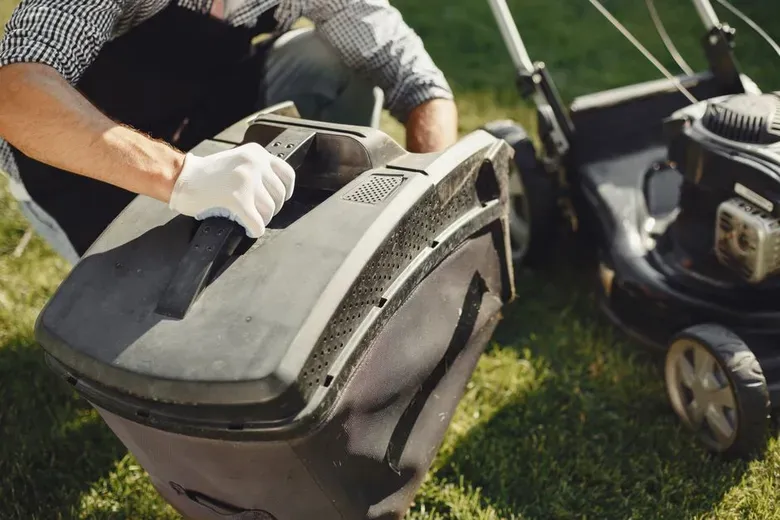
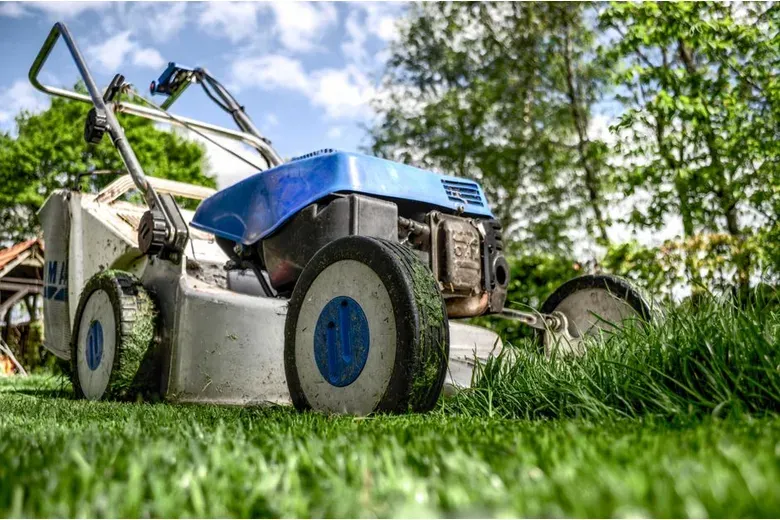
At the heart of mulching is a mower deck designed to keep clippings suspended under airflow until they are cut into tiny pieces. Precision-shaped blades and higher blade speeds fracture each piece multiple times, producing clippings that are much closer to a natural leaf-litter texture than the long ribbons you might see with a regular mower. Because the deck is often sealed and airflow is tuned for recirculation, clippings stay in the cutting zone rather than being blown out onto the lawn edge.
This finely shredded material lands in a thin, even layer and begins to grass clippings decomposition almost immediately. Beneficial microbes, earthworms, and soil organisms process the clippings, turning them into a gentle, slow-release source of nitrogen and organic matter. Because the particles are small, they sift down through the canopy and feed the soil food web without smothering growth. When managed correctly, mulching supports organic lawn care by reducing the need for synthetic fertilizers and simplifying cleanup.

The Science of Grass Clippings Decomposition
Not all clippings break down at the same rate, and understanding the biology behind grass clippings decomposition explains why mulching can be so beneficial. Fresh clippings are high in water and nitrogen, which feeds soil microbes. As these organisms consume the material, they release nutrients back to the roots and improve soil structure over time. Fine, evenly distributed clippings decompose faster and more completely than long, wet piles that clump together, which is why mulching blade design and mowing frequency matter.
When you mow frequently and remove no more than one third of the blade height at a time, clippings stay short and dry quickly after cutting. This minimizes thatch buildup and creates ideal conditions for steady breakdown. The result is a living mulch that feeds the lawn while also protecting soil aggregates and encouraging deeper rooting. For homeowners pursuing organic lawn care, this natural cycle is a cornerstone practice that supports long-term soil health without synthetic inputs.
Lawn Mulching Benefits Beyond the Mower Bag
The advantages of mulching extend far beyond skipping the bagging step. Finely managed clippings act as a living mulch that cools the soil, reduces evaporation, and buffers roots from temperature swings. This directly supports soil moisture retention, which is especially valuable during hot, dry periods when frequent watering is not practical. By keeping surface moisture stable, mulching helps turf stay greener longer and can reduce irrigation frequency without sacrificing plant health.
Additional lawn mulching benefits include:
- Reduced need for synthetic fertilizers, because clippings recycle nitrogen and micronutrients back into the soil.
- Less yard waste to collect, transport, and dispose of, lowering time and labor on maintenance days.
- Improved soil structure as microbial activity and organic matter increase, encouraging better aeration and water infiltration.
- Fewer bare or thin patches, since returning clippings fosters more uniform coverage over time.
- Lower fuel use and emissions on the property, since fewer collection passes and hauling are required.
When done right, mulching aligns with sustainable land-care principles by closing the loop on grass growth and feeding the soil instead of simply moving biomass off the site.

Practical Tips to Mulch Like a Pro
To get the most from mulching, match your mowing routine to grass type, climate, and seasonal growth patterns. Start by keeping your blades sharp, because dull edges shred clippings poorly and can bruise rather than cut the turf. Aim for regular, light cuts that remove no more than one third of blade height at a time; this encourages quick drying of clippings and minimizes the risk of matting. Vary your mowing pattern occasionally to avoid soil compaction and encourage upright growth, and alternate between slightly faster and moderate speeds to optimize chop quality.
In cooler or shaded areas, pay extra attention to height and frequency, since clippings may stay wet longer. Raise cutting height slightly during heat or drought to shade soil and support soil moisture retention, and consider mulching only during periods when the lawn is dry enough for clippings to disperse evenly. If you overseed or use organic soil amendments, mulching can help integrate those inputs gently while protecting new seedlings from heavy equipment. Over time, a well-managed mulching routine reduces inputs, improves resilience, and supports a lush, dense stand of grass.
Frequently Asked Questions
Does mulching cause thatch if I mow too often or when grass is wet?
Thatch is usually caused more by genetics, soil compaction, and overuse of nitrogen than by responsible mulching. Mowing frequently, removing no more than one third of blade height, and avoiding mowing when the turf is excessively wet help keep clippings fine and dry so they decompose cleanly instead of matting into a layer.
How do I adjust my mower for optimal mulching performance?
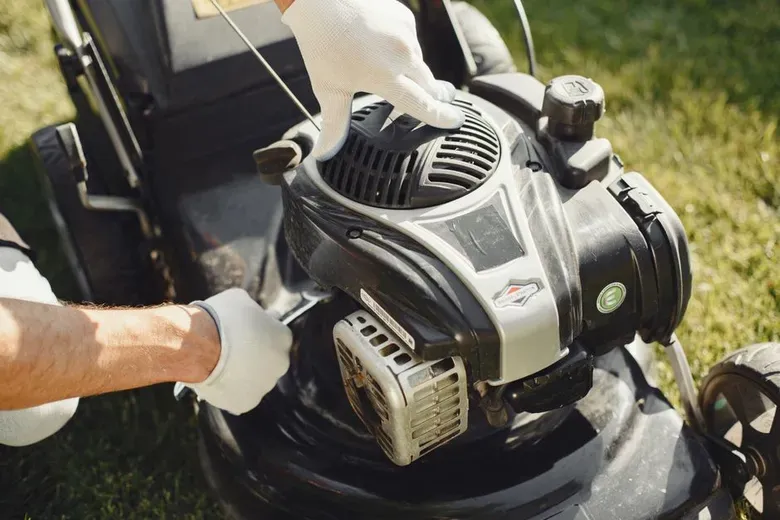
Raise or install mulching blades with a curved design, close the discharge chute or select the mulching mode, and ensure the deck is sealed to direct airflow. Keep blades sharp, mow at the right frequency, and, when needed, add a thin layer of extra carbon material in very heavy clippings situations to maintain a balanced carbon-to-nitrogen ratio in the thatch.
Is mulching suitable for all grass types and climates?
Yes, mulching works with most cool-season and warm-season grasses, but success depends on mowing height, frequency, and local humidity. In very humid or shaded climates, manage moisture and airflow carefully, prioritize sharp blades, and consider slightly higher cutting heights to support decomposition and soil moisture retention without disease pressure.