How Lawn Mower Belts Transfer Power
Learn how lawn mower belts transfer power through drive systems, belt pulley mechanics, and power transmission. Keep your mower running smoothly.

Lawn mower belts are the silent workhorses that translate engine energy into the demanding tasks of cutting grass and clearing obstacles. Understanding how these flexible power links function reveals why a well maintained lawn mower drive belt is essential for peak performance. This guide explores the mechanics of power transmission, detailing how rotational force moves from the engine to the wheels and the critical mower deck belt that drives the blades.
The Core Principle of Belt Drive
At its simplest, a belt drive system is a flexible connection that transfers rotational motion between two or more rotating shafts. In a riding or walk behind mower, this system allows the engine to operate at its most efficient speed while the cutting blades and wheels perform their functions at different, optimized rates. The belt itself, typically a durable rubber or synthetic cogged belt, grips the grooves of pulleys to transmit force without the rigidity of a solid shaft. This design absorbs minor shocks and misalignments, protecting the engine and other critical components from sudden stress. When you engage the blades or navigate an uneven yard, the belt pulley system ensures that power is delivered smoothly and reliably, making every pass across the lawn efficient.Key Components of a Mower Belt System
A functional lawn mower drive belt system relies on several precisely engineered parts working in harmony. The engine’s crankshaft is connected to a drive pulley, which is mounted directly to the engine shaft. This pulley is linked by the belt to a second pulley, often called the idler, which maintains proper tension. From there, the belt routes to a third pulley connected to the transmission or directly to the mower deck belt that drives the blades. In many modern mowers, a separate belt controls the wheels, linking the transmission to the wheel pulleys to enable forward and reverse motion. Understanding the path of the belt through these components is the first step in diagnosing issues and performing effective maintenance.
Drive Pulley and Engine Power
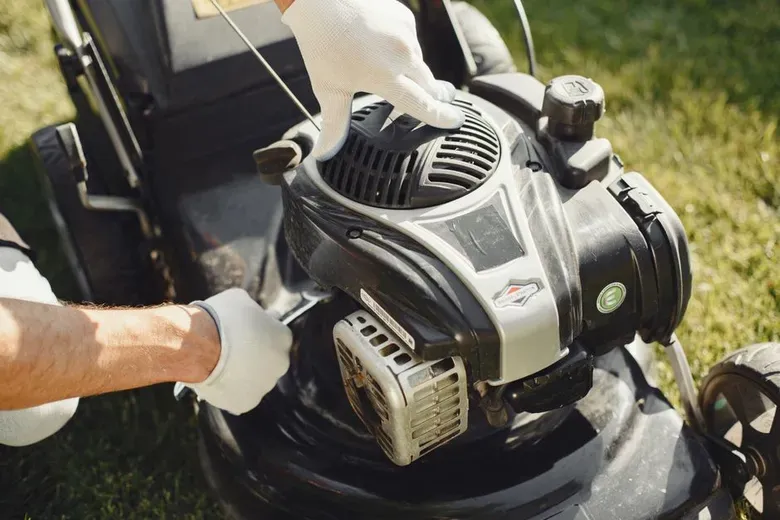
The process begins at the engine. When you pull the starter cord or press the ignition button, the crankshaft rotates, turning the drive pulley. This pulley is specifically designed with a deep V groove that matches the profile of the belt. The friction and gripping action between the pulley and the belt convert the raw rotational energy of the engine into a controlled force that can be routed elsewhere. Because the engine runs at a consistent speed, the drive pulley ensures that the initial burst of power is transmitted efficiently along the belt route.The Role of the Idler Pulley
Positioned along the belt path, the idler pulley plays a crucial role in maintaining the correct tension. Without proper tension, a belt can slip, leading to a loss of power, inefficient operation, and rapid wear. The idler pulley applies pressure to the belt, ensuring it remains seated firmly in the grooves of all other pulleys. This component acts like a spring loaded guide, compensating for minor changes in belt length due to wear or temperature fluctuations. A well adjusted idler is vital for a quiet and responsive belt pulley system.Transmission and Mechanical Advantage
In many configurations, the belt connecting to the transmission drives a pulley that alters the speed and torque of the output. This is where the concept of mechanical advantage comes into play. By using different pulley diameters, the mower can achieve a balance between speed and cutting power. A larger pulley on the transmission will turn slower but with more force, which is ideal for the powerful, slow motion needed for cutting thick grass. Conversely, a smaller pulley increases speed, which might be used for powering the wheels. This adaptability is why the power transmission system is so effective across different terrains and grass conditions.Routing and Belt Path Analysis
The specific routing of a belt varies significantly between mower models, but the underlying principle remains the same. The belt must follow a precise path to ensure that each component receives the correct amount of power. A typical routing might go from the engine drive pulley, to the idler, under the deck to the mower deck belt pulley, and then out to the wheel drive pulleys. It is critical that the belt follows these routes exactly. A misrouted belt will not sit correctly in the pulley grooves, leading to slippage, overheating, and potential breakage. Always consult your owner’s manual for the exact belt routing diagram for your specific machine.
Signs of Belt Wear and Failure
Over time, the constant friction and stress of operation degrade the belt. Recognizing the signs of wear can prevent unexpected downtime and more serious damage. A common indicator is a high pitched squealing noise, which usually indicates that the belt is slipping due to low tension or glazing. Visually inspecting the belt is also important; look for cracks, frayed edges, or a shiny, glazed surface. These physical changes reduce the belt’s grip and its ability to transmit power transmission effectively. If the belt appears damaged or excessively worn, replacing it promptly is crucial for the longevity of your mower.Maintenance Best Practices
Regular maintenance is the key to ensuring your belt system operates reliably. Start by keeping the pulleys clean and free of grass clippings and debris, which can interfere with grip and cause the belt to track off course. Periodically check the belt tension according to the manufacturer’s guidelines; a belt that is too loose will slip, while a belt that is too tight can cause premature wear on bearings and shafts. If your machine features a manual tensioner, adjust it as needed to maintain the correct amount of deflection. Proper storage is also important; avoid leaving the mower in extreme heat or cold, as these conditions can accelerate rubber degradation. By following these simple steps, you can extend the life of your lawn mower drive belt and ensure consistent performance season after season.Troubleshooting Common Issues
Even with proper care, issues can arise. If your blades are not spinning or the wheels are not rolling, the belt is often the first suspect. Before assuming the belt is broken, check for simple causes like a loose belt or a misaligned pulley. A slipping belt might need tension adjustment, while a belt that has jumped off the pulley will need to be carefully routed back according to the diagram. In some cases, the problem might be related to the transmission itself, which requires a more in depth approach. For complex electrical or transmission faults, referencing a detailed resource like The Complete Guide: How to Change the Oil in a Riding Lawn Mower can provide valuable context for understanding how different systems interact. Similarly, maintaining the underside of the deck is critical to preventing debris from interfering with the belt and pulleys; you can learn more in The Ultimate Guide to Safely Cleaning the Underside of Your Lawn Mower Deck.Conclusion
The seemingly simple lawn mower drive belt is a sophisticated component that is central to the operation of your machine. By mastering the fundamentals of the belt pulley system, you gain the knowledge to keep your mower running smoothly, diagnose problems quickly, and perform effective maintenance. A thorough understanding of power transmission ensures that your mower deck belt and other drive components work in concert, delivering the power needed to achieve a pristine, well-manicured lawn.Frequently Asked Questions
How often should I inspect my lawn mower belt for wear?
It is recommended to visually inspect the belt at the start of each mowing season and after any major debris encounters. Regular checks for cracks, fraying, or glazing can help you catch issues before they lead to a complete failure.
Can I replace a lawn mower drive belt with any generic belt?
No, you should never use a generic belt. Lawn mower belts are specifically designed to match the exact dimensions and material properties required for the high tension and RPM of mower engines. Using the wrong belt can result in poor performance, rapid wear, or even damage to the engine or transmission.
What causes a belt to slip off the pulleys?
Slippage is usually caused by a combination of factors including low tension, worn pulley grooves, or a belt that is too loose. Misalignment of the pulleys or the accumulation of grass clippings under the deck can also force the belt off its intended path.
Is it normal for a lawn mower belt to get hot during use?
While a slight warming during operation is normal due to friction, excessive heat is a sign of trouble. Overheating often indicates that the belt is slipping, is improperly tensioned, or is rubbing against a foreign object. Continuing to operate the mower under these conditions can lead to belt failure.